



Technical Article

Titanium: The High-Tech Material Powering Aerospace, Medicine, and Advanced Manufacturing
Meta Description
Discover how titanium’s light weight, strength, and corrosion resistance are transforming aerospace, medical, and electronics industries. Learn how HiPIMS coating technology enables efficient titanium machining.

DLC Coating for Bluetooth Earphone Hinges: Enhancing Durability and User Experience
Bluetooth earphones have become an essential part of modern digital life. Among all components, the hinge shaft plays a critical mechanical role, directly affecting the durability, portability, and comfort of the device. Due to frequent folding, rotation, and adjustment, earphone shafts are prone to wear, loosening, and even fracture, which compromises both the user experience and the product’s overall lifespan.

AC1500ULTRA Hybrid Coating: Ultra-High Hardness and Wear Resistance — Advanced DLC Coating Solution
The AC1500ULTRA combines PECVD coating technology (Plasma-Enhanced Chemical Vapor Deposition) with arc-based DLC coating technology. The PECVD carbon film serves as a dense and thicker foundation, solving the thin-film limitation of conventional arc coatings.
More Efficient Steel Machining with Huasheng HAE Coating
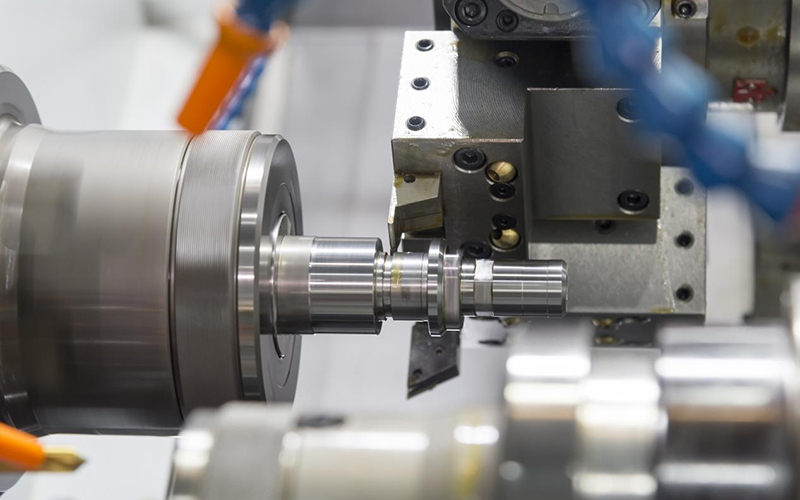
Steel is one of the most widely used materials in the world of mechanical engineering. From bolts, bearings, and gears to shafts, molds, and heavy-duty structures, steel provides the backbone for modern industry. While steel offers excellent strength, toughness, and cost-effectiveness, it also brings significant machining challenges. Variations in hardness, toughness, and surface properties across different steel grades can drastically impact cutting tool life, efficiency, and overall production costs.
HLM300 Arc Process: A TiAlN All-Rounder for Milling, Drilling, and Turning
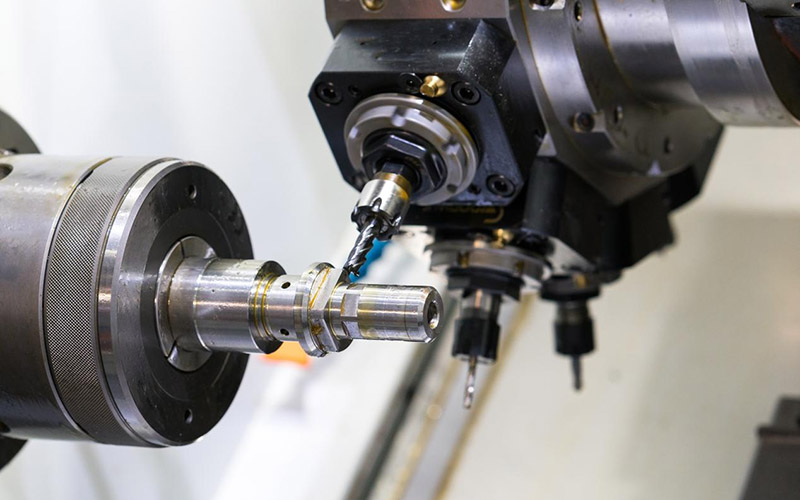
As manufacturing pursues higher efficiency, lower energy consumption, and robust reliability, coatings must remain stable under high temperature, heavy impact, and long cutting cycles. Built on an arc-deposition route, our HLM300 process for TiAlN has been benchmarked against leading international solutions to deliver stronger process reliability and longer tool life in demanding operations—milling, drilling, and turning alike.
Precision, Power, Productivity: The Trifecta of HD500's Plasma Paradigm
In today's fast-paced manufacturing landscape, efficiency, precision, and durability are the driving forces behind technological innovation. The HD500, developed by Huasheng, represents a groundbreaking leap in composite coating technology. Built upon a next-generation platform that integrates high-ionization sputtering and advanced arc processes, the HD500 delivers coatings with unmatched performance, adaptability, and reliability.
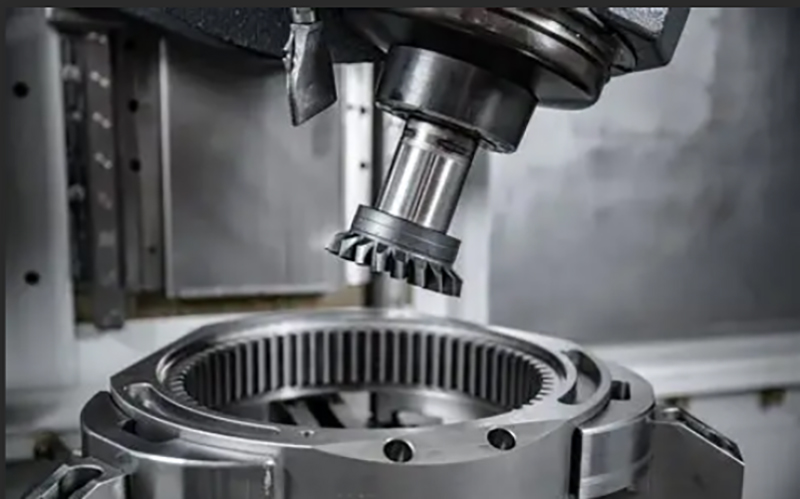
Advanced Arc Technology: A Powerful Solution to Overcome the Lifespan Challenges in Turning and Milling Inserts
In the machining industry, turning and milling serve as the most fundamental and core processes, responsible for manufacturing critical components ranging from aerospace superalloys to automotive hardened steels. However, turning inserts experience crater wear, flank wear grooves, and high-temperature coating delamination during continuous cutting of superalloys or hardened steels, primarily due to weak adhesion and insufficient thermal stability of conventional coatings. Milling inserts frequently exhibit micro-chipping, thermal crack propagation, and built-up edges caused by material adhesion during interrupted cutting of titanium alloys or cast iron, fundamentally resulting from inadequate coating toughness and poor lubricity. These failure modes directly degrade machining accuracy and escalate production costs.

Advanced Arc Technology Empowers Tool Coatings: Breaking Through Barriers in High-Hardness, Low-Friction Machining of Difficult Materials
In the global manufacturing sector's rapid advancement toward precision, efficiency, and sustainability, the widespread adoption of difficult-to-machine materials (such as high-temperature alloys, titanium alloys, composites, and hardened steels) has imposed unprecedented demands on tool performance: higher hardness to resist severe wear, improved lubricity to reduce cutting heat and reduced the adhesion of the processed parts, and enhanced chemical stability to withstand corrosive environments. These three pain points represent the critical "technical barriers" that current tool coating technologies urgently need to overcome.
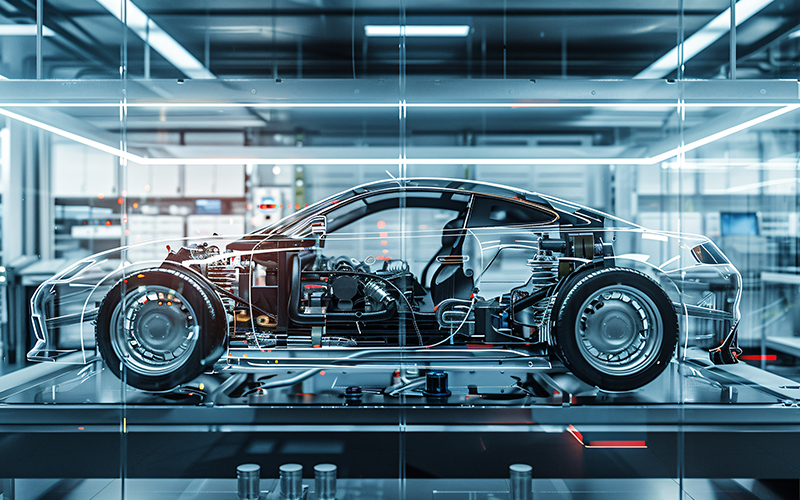
Low Friction Coating Technology in Automotive Tribology: Enabling Sustainable Mobility
The rapid growth of electric vehicles (EVs) and biofuels has intensified challenges in automotive tribology. High torque/speed in EVs exacerbates boundary lubrication, increasing friction by 30% compared to traditional systems. Meanwhile, bioethanol fuels pose severe corrosion risks. Modern low-friction coatings, including diamond-like carbon (DLC), tetrahedral amorphous carbon (ta-C), and nanocomposite coatings, offer breakthrough solutions. Innovations like ta-C coatings demonstrate exceptional corrosion resistance in bioethanol environments (no degradation after 2-hour immersion) and ultra-low friction coefficients (0.007–0.008). These advancements enable EV lightweighting (15% weight reduction), biofuel compatibility, and energy efficiency gains (40% lower friction losses).
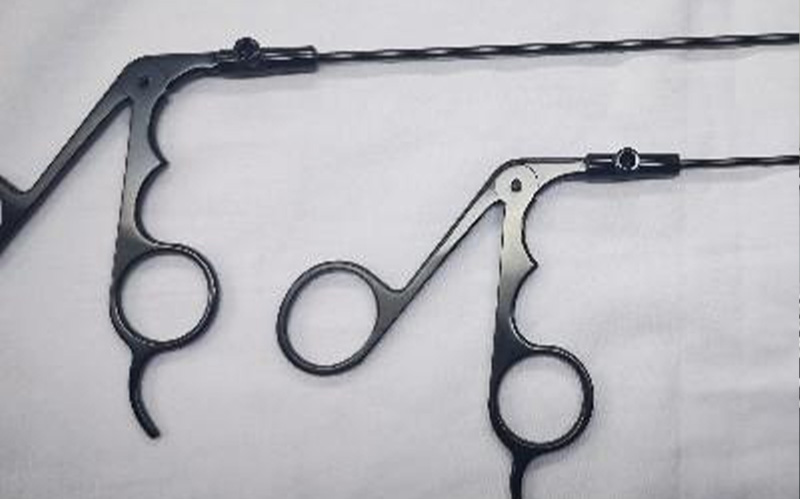
Application and Challenges of DLC Coatings in Medical Devices
In the healthcare sector, material properties of medical devices play a critical role in treatment efficacy, with surface engineering being pivotal to device performance. Conventional metal devices (e.g., vascular stents, orthopedic implants, surgical instruments) face three major clinical challenges:
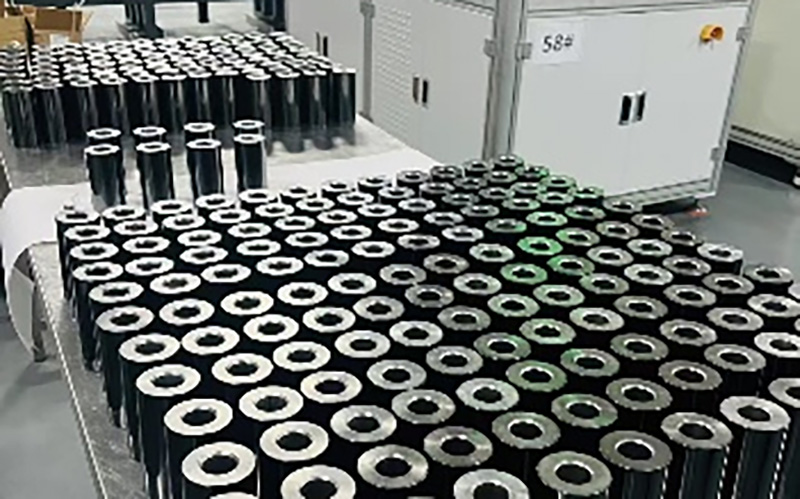
Application of DLC Coatings in Internal Combustion Engine Components
Wear in internal combustion engines is an inevitable phenomenon during operation, serving as a critical factor affecting engine lifespan, performance, and reliability. Fundamentally, wear involves the gradual loss of surface materials on friction pairs through oxidation and corrosion. Coatings play an extensive and vital role in engine components.
Preparing high performance TiCN coatings by HIPIMS
TiCN coatings, combining amorphous carbon and nanocrystalline structures, exhibit superior hardness, enhanced toughness, and lower friction coefficients compared to TiC and TiN1. These properties make them widely used in tapping and drilling, particularly suitable for processing non-ferrous metals and alloys2. HiPIMS primarily employs pulsed DC discharge mode. During discharge, high trigger voltage induces peak power density and current density, causing a sharp increase in plasma electron density. The enhanced electron density increases the probability of sputtered atoms colliding with electrons, achieving high ionization rates (20%-100%)³. The high plasma density relies on peak power density and low duty cycle. During pulse switching, plasma particles collide and exchange charges without sputtering the target material, reducing thermal accumulation and preventing ceramic targets from cracking due to overheating4. To some extent, HiPIMS technology integrates the advantages of DC magnetron and cathode arc methods, achieving high ionization rates while avoiding metal particle generation. High ionization rates and current density effectively improve coating deposition quality, reduce surface roughness, and enhance film adhesion and density5. Additionally, high ionization rates enhance particle diffraction properties, effectively addressing thickness non-uniformity issues on complex workpiece surfaces. In this paper, a series of TiCN coatings were prepared on the surface of hard alloy by HiPIMS technology to investigate the influence of power variation on the content of C, microstructure and mechanical properties of the coating, and thread cutting tests were carried out to investigate the actual cutting performance of TiCN coating.