



What Is PVD Coating? A Guide to Physical Vapor Deposition
What is PVD coating? PVD stands for physical vapor deposition, a vacuum process that turns a solid material into vapor or plasma and deposits it onto a workpiece as a thin, bonded film.
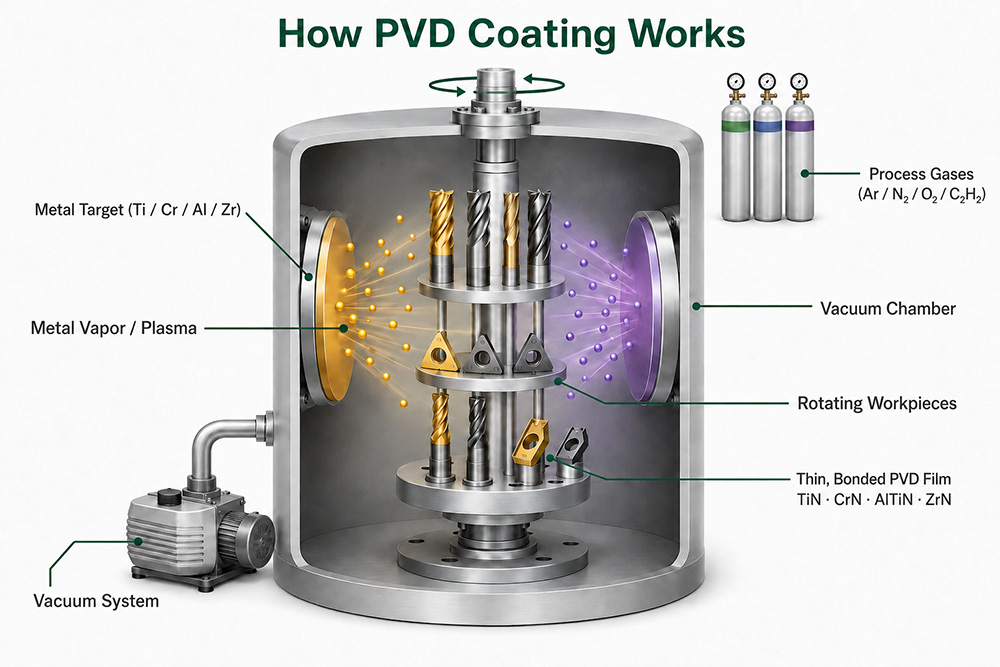
PVD forms a coating atom by atom rather than covering the surface like paint. Metal from a target travels through a low-pressure environment and condenses on the substrate. Titanium, chromium, aluminum, and zirconium can react with nitrogen, carbon-containing gases, or oxygen to create TiN, CrN, AlTiN, ZrN, and other coatings.
How Does the PVD Coating Process Work?
A typical PVD coating process includes four stages:
Surface preparation: Oil, dust, polishing residue, and oxides are removed to support adhesion.
Vacuum cleaning: Parts are mounted on rotating fixtures, the chamber is evacuated, and surfaces are heated or ion-cleaned.
Deposition: The target is vaporized or sputtered. Reactive gas may be added, while fixture rotation improves uniformity.
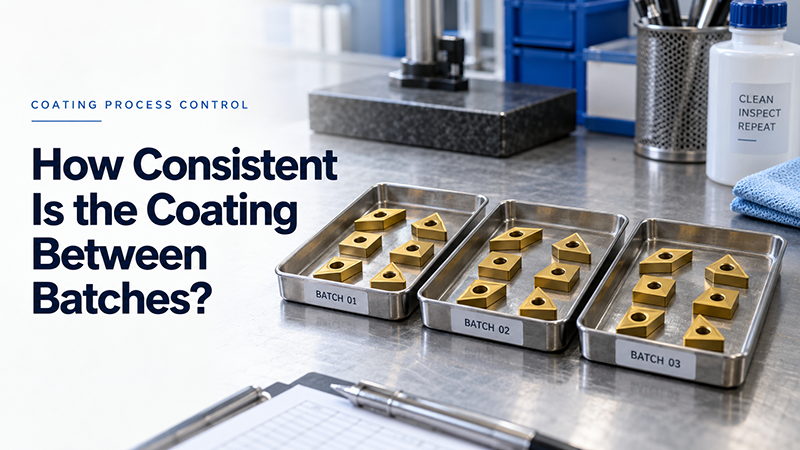
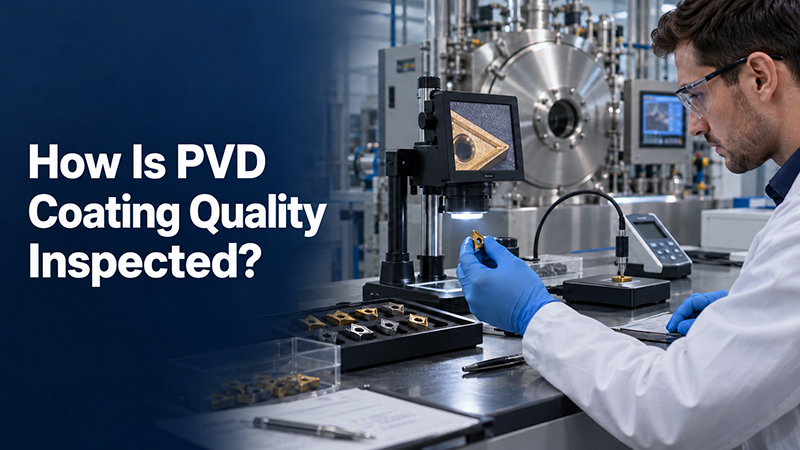
Inspection: Parts are cooled and checked for thickness, adhesion, color, and surface quality.
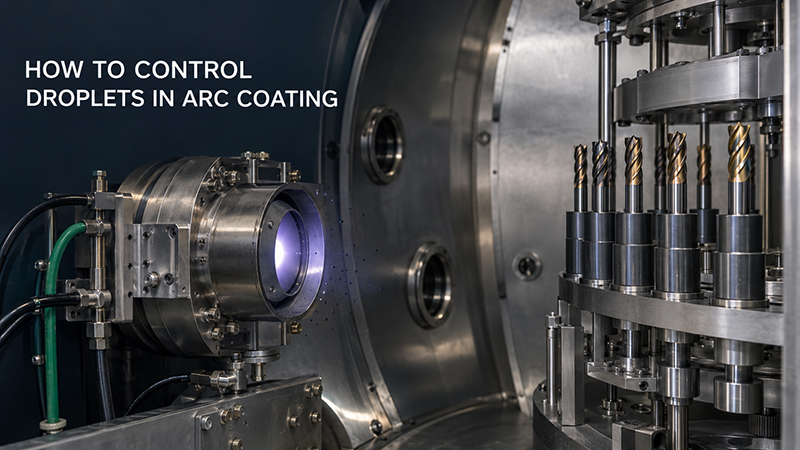
Main physical vapor deposition coating technologies include cathodic arc ion plating, magnetron sputtering, evaporation, and HiPIMS. Arc ion plating is widely used for hard coatings. Magnetron sputtering supports smooth films and precise control. HiPIMS uses short, high-power pulses to create highly ionized plasma, helping form dense coatings with strong adhesion. Hybrid PVD systems combine deposition methods in one chamber.
What Are the Benefits of PVD Coating?
A thin PVD film can provide:
- higher hardness and wear resistance;
- lower friction and material adhesion;
- better oxidation and corrosion resistance;
- longer tool or component life;
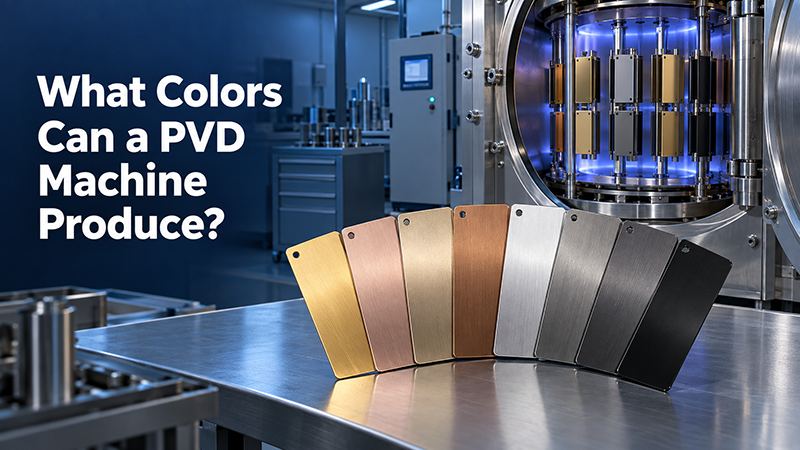
- durable colors and metallic finishes.
Performance depends on the substrate, heat treatment, surface finish, coating structure, and process settings. PVD cannot correct poor cleaning, deep grinding marks, or an unsuitable base material.
PVD Coating Applications
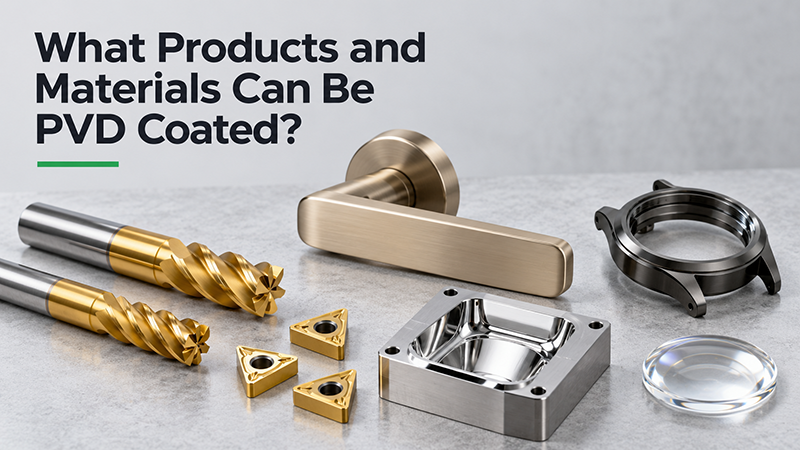
PVD coatings are used on cutting tools, carbide inserts, molds, dies, gears, automotive parts, stainless-steel hardware, watches, and jewelry. Functional coatings are selected for load, temperature, friction, and wear. Decorative PVD coating focuses on color consistency, finish, scratch resistance, and corrosion protection.
Choosing PVD Coating Equipment
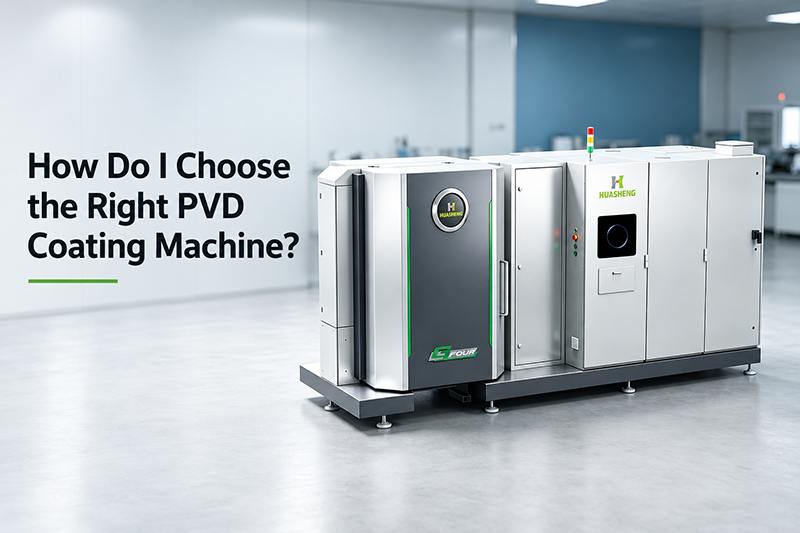
The right PVD coating machine depends on workpiece material, dimensions, batch size, coating type, production capacity, and factory conditions. Huasheng offers MD-series AIP equipment for hard protective films, the GFOUR HiPIMS system for dense high-performance coatings, HD500 and HD800 hybrid systems for multi-process production, and DECO-series machines for decorative finishing.
Choosing the machine is only part of the task. Process design, fixtures, vacuum, power, and controls must work together. Sample trials help confirm the right technology before production.