






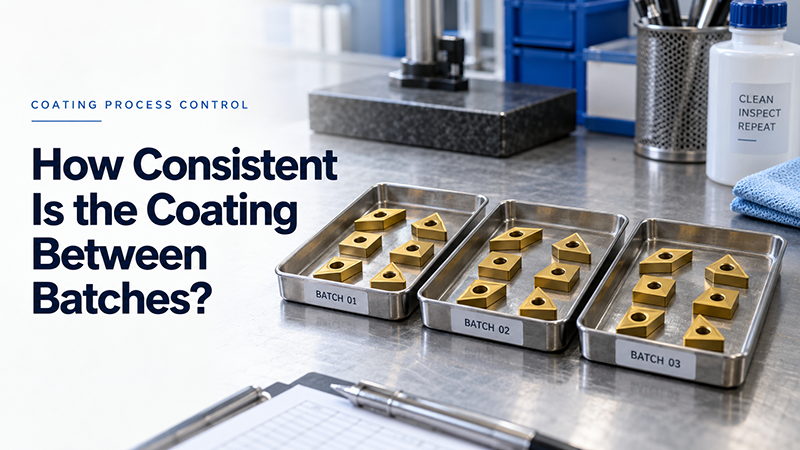
How Consistent Is the Coating Between Batches?
A successful coating trial is only the starting point. Production requires the next batch to meet the same specification. Batch-to-batch coating consistency means keeping thickness, adhesion, appearance and other relevant properties within agreed limits over repeated runs.
A controlled process can deliver repeatable results, but there is no single tolerance that applies to every coating and component. The acceptable variation depends on the application, part geometry, coating specification and measurement method.
Define What Consistency Means
Start by separating two measurements. Coating thickness uniformity describes variation across a part or between positions within one load. Batch repeatability describes variation between separate coating runs. A stable batch average can still hide thin areas on individual components.
Set acceptance criteria around the product's function. Cutting tools may require thickness and adhesion checks at defined locations. Sliding parts may also need roughness and friction testing. Decorative products need controlled colour and gloss assessment.
For example, a drawing might specify a thickness of 3.0 ± 0.3 µm at selected points. This is an illustrative requirement, not a universal PVD tolerance or a Huasheng performance guarantee.
Keep Preparation and Loading Repeatable
Variation can begin before parts enter the chamber. Oil residues, polishing compounds, oxide layers and differences in surface finish can affect adhesion and appearance. Record the substrate grade, preparation method, cleaning sequence and handling conditions.
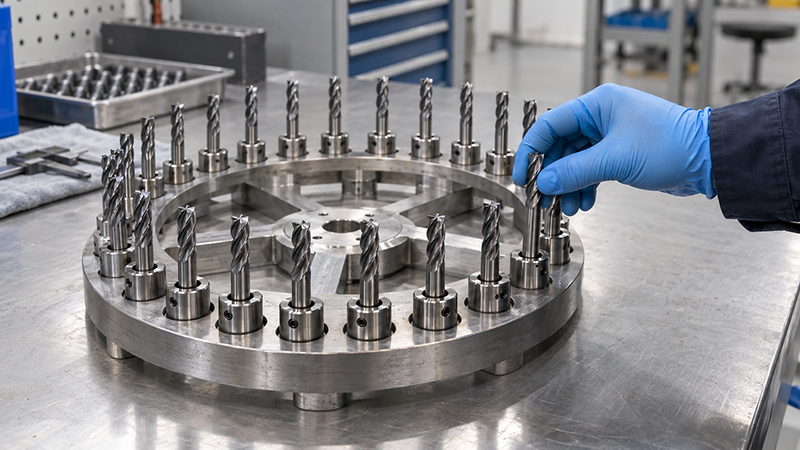
Loading deserves the same attention. PVD deposition is largely directional, so exposure to the coating source and part rotation affect coverage. Use defined fixtures, spacing and orientations when comparing batches.
Adding more parts to a validated load can change shadowing and heating conditions. A recipe qualified for one fixture arrangement should be checked again after significant changes in part size, quantity or placement.
Control the Recipe and Equipment Condition
A PVD coating machine should be evaluated on its ability to maintain and record the conditions required by the process. Review temperature, gas flow, working pressure, source power, substrate bias and deposition time.
Saved recipes reduce manual entry errors, but they cannot compensate for every physical change. Target erosion, chamber deposits, worn contacts and vacuum leaks can introduce drift. For PECVD DLC coating equipment, precursor delivery and plasma conditions also need attention.
Define cleaning intervals, target replacement criteria and calibration checks. After major maintenance or a process change, confirm coating results before releasing routine production.
Measure Results Across Repeated Runs
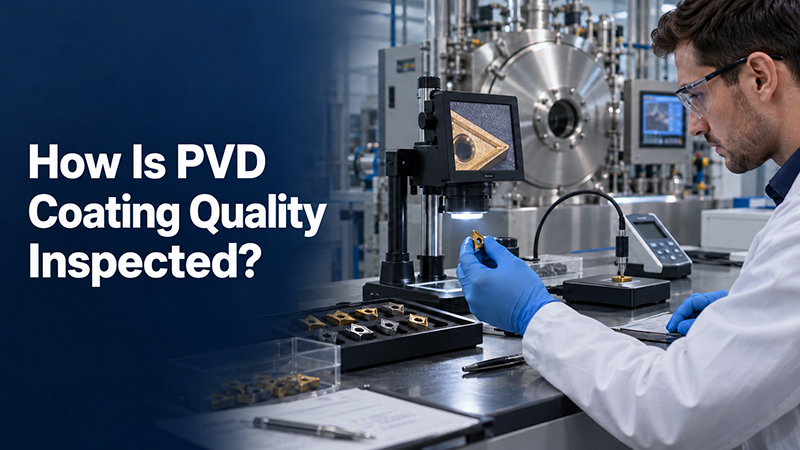
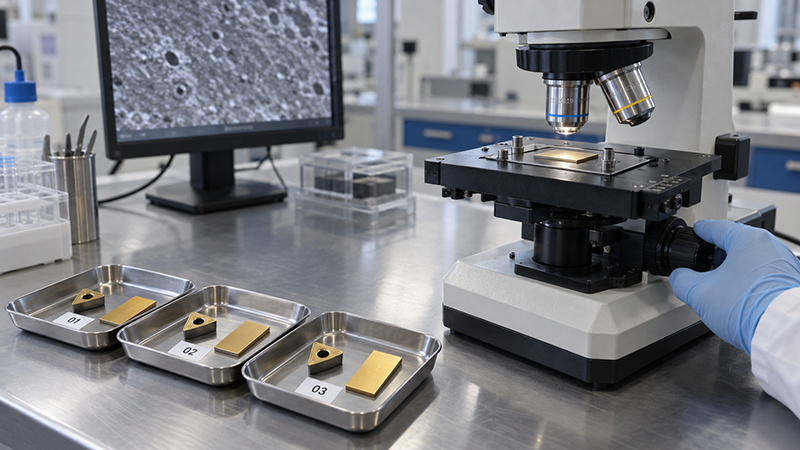
Build coating quality control around a documented sampling plan. Measure comparable parts at the same locations using a suitable, calibrated method. Reference coupons can help track chamber performance, but they may not represent recessed areas or critical edges on the actual component.
Track individual readings, batch averages and the spread of results. A gradual shift can reveal a developing problem before parts exceed specification. Measurement uncertainty must also be considered when tolerances are narrow.
Choose checks that match the coating and its use. These may include thickness measurement, adhesion testing, surface inspection and hardness testing under defined conditions. For decorative finishes, agree on a colour reference, measurement geometry and colour-difference limit. Use application testing where coating measurements alone cannot confirm performance.
Verify Consistency Before Selecting Equipment
Ask for results from repeated runs using representative workpieces and a realistic loading arrangement. Agree on sampling positions, test methods and acceptance limits before the trial.
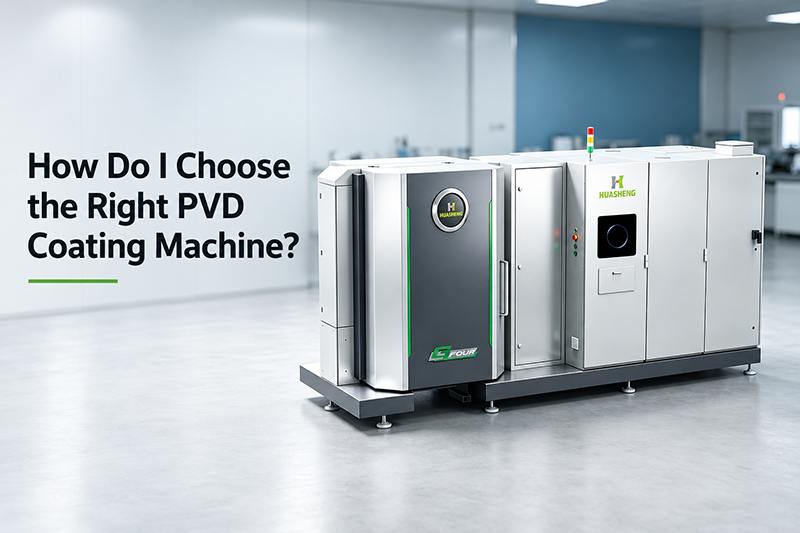
Huasheng offers GFOUR HiPIMS coating equipment for industrial tool coating, alongside DLC800 and DLC1500 DLC coating equipment for relevant tooling and component applications. Equipment selection should connect the coating requirement with part dimensions, loading capacity and process validation. See Huasheng's HiPIMS and PECVD DLC ranges.
When discussing a project with Huasheng, provide the substrate material, part drawings, batch quantity, target coating and acceptance criteria.