• icon_youtube
  • Linkedin
  • Leave Your Message
    0%

    Picking a reliable PVD coating supplier isn’t just about ticking a box or checking the price — it’s a decision that really impacts the durability of surfaces, how consistent the colors stay, and how smooth your production process runs. In real workshops, you’ll often see coatings failing around edges, screw holes, or places with high contact — a polished sample might look perfect, but actual results can vary quite a bit. That’s a gap worth paying attention to.

    Good experienced suppliers will walk you through how they prepare the substrate, the conditions inside their chambers, the coating thickness, and how they test for adhesion. They should have traceable batch records, clear process tolerances, and practical tips for working with stainless steel, brass, or titanium parts. Also, don’t just go for pretty photos — ask for data on salt spray tests, abrasion resistance, and color consistency. It’s a smart move to request a sample made the way you plan to produce, then inspect it under neutral light—sometimes, the little details can surprise you. Trustworthy technical teams will also talk about cleaning methods, masking, racking, and rework limits before you place an order. Their credibility comes from consistent evidence, not just confident claims.

    Color terms can actually trip people up — for example, when someone requests an “18k Gold PVD coating,” they might expect real gold alloy, but often it’s just a visual or color reference. Make sure you clarify what the base material is, what the coating actually contains, and what kind of performance to expect. A responsible supplier will openly discuss these points and recommend relevant testing standards. If they say the requested finish isn’t suitable, appreciate the honesty; it might slow things down a bit but ultimately keeps your product on point. No supplier is perfect, and misunderstandings can happen — so review drawings carefully, approve limit samples, and keep good records of all changes.

    At the end of the day, choosing a trustworthy PVD coating partner comes down to building confidence through solid evidence, clear communication, and controlled, repeatable processes. It’s not about shiny promises — it’s about getting the results you need with real reliability.
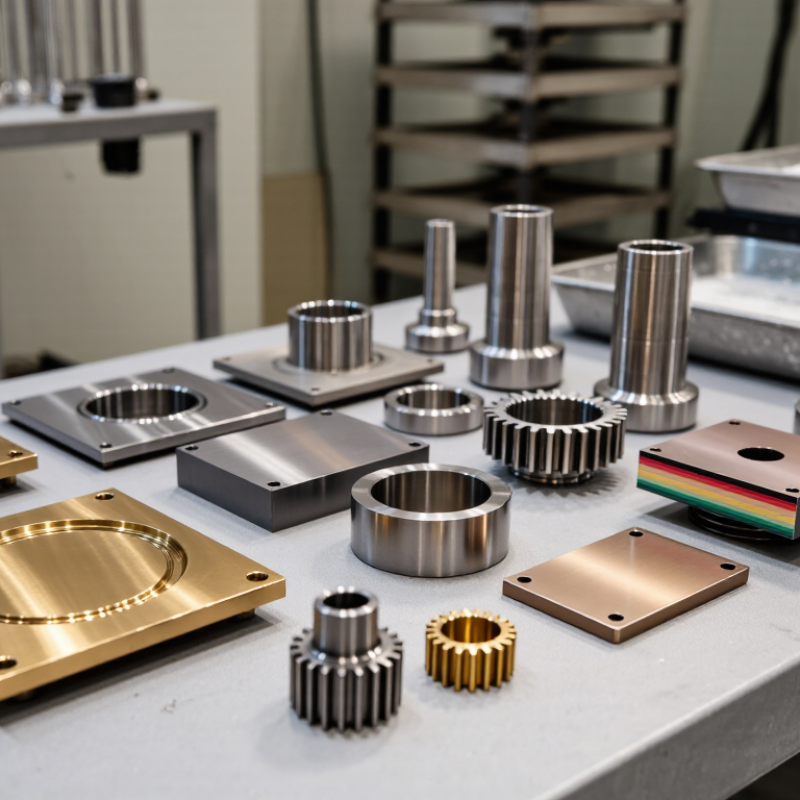
    Why Choose Reliable PVD Coating Suppliers?

    What PVD Coating Suppliers Do

    PVD coating suppliers do more than place parts inside a vacuum chamber. They assess substrate hardness, geometry, surface finish, and service conditions. A cutting tool may need strong wear resistance, while a decorative component may require precise color consistency. Experienced engineers ask practical questions before recommending a coating.

    Before deposition, the supplier cleans and inspects every component. Oil, dust, or uneven polishing can weaken adhesion. During PVD, controlled gases and electrical energy create a thin, durable film. Technicians monitor pressure, temperature, deposition time, and part rotation. Small details matter. After processing, quality teams test thickness, adhesion, surface roughness, and color uniformity. Reliable suppliers provide batch records and inspection data, not vague assurances.

    A responsible supplier also manages trial runs, sampling, packaging, and technical feedback. For unfamiliar parts, they should explain possible risks instead of promising perfect results. Coatings can fail when cleaning, design, or load assumptions are incorrect. That part is easy to overlook. In practice, engineers may adjust fixturing or process settings after reviewing test results. This is not a weakness; it reflects real manufacturing conditions. Clear communication helps both sides correct problems before full production. Suppliers who maintain traceable records and answer technical questions promptly make quality easier to verify. The process is not automatic.

    How Supplier Reliability Affects Coating Quality

    Why Choose Reliable PVD Coating Suppliers?

    How Supplier Reliability Affects Coating Quality

    A reliable supplier protects coating quality long before parts enter the vacuum chamber. In practical production, small changes matter. Chamber cleanliness, target condition, temperature, and gas flow can shift the final finish. Experienced suppliers monitor these details with calibrated instruments and documented procedures. They also inspect incoming parts for oil, scratches, and uneven polishing. A clean-looking component can still carry contamination.

    Consistency is the real test. A dependable supplier records coating thickness, color, adhesion, and wear results for each production batch. Sample panels help compare current results with approved standards. Clear records also make problems easier to trace. I have seen a visually attractive coating fail because surface preparation was rushed. That mistake was avoidable, but not every defect is obvious during inspection.

    Reliable communication matters when specifications change. Skilled teams explain process limits instead of promising impossible results. They may recommend Pvd Coating Specialty Services when standard treatment cannot meet a part’s hardness, appearance, or friction requirements. Questions should be answered with measurable information, not vague assurances. No supplier gets every batch perfect. The difference lies in response speed, honest reporting, and corrective action. A missed detail still deserves review, especially when the same failure appears twice.

    Key Standards for Evaluating PVD Coating Suppliers

    Why Choose Reliable PVD Coating Suppliers?

    Key Standards for Evaluating PVD Coating Suppliers

    Choosing a reliable PVD coating supplier requires more than comparing prices. Practical experience shows that stable results begin with controlled preparation, accurate fixturing, and clean vacuum chambers. Ask for measurable data on coating thickness, hardness, adhesion, surface roughness, and color consistency. A professional supplier should explain its test methods clearly, not hide behind general claims.

    Quality systems also matter. ISO 9001 certification can indicate organized processes, but certification alone does not prove coating performance. Review batch records, equipment calibration reports, and traceability procedures. Reliable suppliers can identify the operator, machine settings, substrate condition, and inspection results for each production run. Request sample parts when possible. Small details often reveal large process weaknesses.

    Technical authority becomes clearer through validation and communication. The supplier should recommend suitable coating materials, temperatures, and pretreatment methods for your application. It should also discuss limitations honestly, including edge effects, dimensional changes, and possible color variation. That honesty builds trust. I have seen suppliers provide excellent samples but struggle with larger batches. This is why production-scale testing deserves attention. A dependable partner responds quickly, documents corrective actions, and protects confidential drawings and specifications. Perfect consistency is difficult, so ongoing review remains necessary.

    Materials, Technologies, and Customization Options

    Reliable PVD coating suppliers do more than apply a decorative finish. They help manufacturers select materials, control process variables, and match coatings to real working conditions. For Pvd Coating On Stainless Steel, common choices include titanium, zirconium, and chromium-based compounds. Each option affects color, hardness, wear resistance, and surface appearance. A gold-toned finish may suit interior hardware, while a darker coating can hide minor handling marks. The best suppliers explain these trade-offs clearly.

    Technology also matters. Modern PVD systems can control vacuum levels, temperature, arc energy, and coating thickness with high precision. Experienced technicians should verify adhesion, uniformity, and surface cleanliness before production approval. Ask for sample panels, inspection records, and testing details. Customization may include bronze, black, gray, or blue tones, plus satin, brushed, or mirror finishes. Tight edges and deep grooves still create challenges. No coating is perfect.

    Tips: Share the base material, dimensions, expected contact conditions, and cleaning method before requesting a quotation. Request a physical sample under natural and indoor lighting. Confirm acceptable color variation in writing. A small trial batch can reveal problems that drawings miss. I have found that appearance often changes after assembly, so test finished parts, not only loose samples. Suppliers should also discuss maintenance limits and realistic service expectations. Clear communication is part of technical quality.

    Quality Control and Process Consistency

    Reliable PVD coating suppliers prove quality through repeatable process control, not attractive samples alone. Experienced teams monitor chamber pressure, gas flow, target power, substrate temperature, and deposition time for every production batch. These details directly influence coating thickness, color uniformity, hardness, and adhesion. A small pressure change can create visible shade differences across metal components. That matters.

    A dependable supplier keeps complete batch records and uses calibrated instruments. Technicians should inspect witness samples, measure coating thickness, and test adhesion before shipment. Common checks include microscopy, scratch testing, and color comparison under controlled lighting. Clear acceptance criteria reduce personal judgment and make results easier to verify. Quality staff also investigate failures instead of hiding them. Sometimes the cause is simple, such as a worn fixture or delayed cleaning cycle. That lesson should improve the next run.

    Process consistency must also support Sustainable Pvd Coating Technology. Efficient equipment can reduce material waste, energy use, and unnecessary rework when properly maintained. However, sustainability claims need evidence, such as consumption records and documented improvement targets. Suppliers should explain their controls honestly, including areas still under review. No process is perfectly stable. Careful feedback, practical testing, and transparent records build confidence over time.

    Why Choose Reliable PVD Coating Suppliers?

    Quality Control and Process Consistency

    Reliable PVD coating suppliers use measurable control targets to maintain consistent coating thickness, adhesion, appearance, and surface cleanliness from batch to batch. The values shown are representative quality-control targets commonly used for production planning and are not company performance data.

    Technical Support, Delivery, and After-Sales Service

    Reliable PVD coating suppliers provide more than Pvd Coating Materials and a quotation. Their technical teams should understand substrate hardness, coating thickness, adhesion, and operating temperature. Practical support begins with reviewing drawings, tooling geometry, and the customer’s failure pattern. A useful supplier can recommend test coupons before full production. This reduces costly surprises.

    The McKinsey Global Survey reported that 93% of supply-chain leaders planned to improve resilience after major disruptions.

    For coating projects, resilience means documented processes, qualified alternatives, and realistic production capacity. Technical reports should record chamber conditions, batch numbers, inspection results, and corrective actions.

    Delivery performance also requires visible control. The World Bank’s 2023 Logistics Performance Index measures customs, infrastructure, shipment quality, tracking, and timeliness. These factors directly affect production planning.

    A dependable supplier shares manufacturing milestones and warns customers before a delay becomes urgent.

    Small details matter, such as moisture-safe packaging, labeled fixtures, and clear replacement schedules. After-sales service should include coating failure analysis, response targets, and guidance for cleaning or recoating. Digital records help engineers compare wear after 500 or 1,000 operating hours.

    However, no supplier is flawless. I have seen technically strong coatings fail because the application data was incomplete. That weakness deserves honest discussion, not polished promises. Suppliers should admit limits, preserve traceability, and improve recommendations after field feedback.

    FAQS

    What should I check before choosing a PVD coating supplier?

    Request measurable data on thickness, hardness, adhesion, roughness, and color consistency. Ask how each test is performed. Samples can mislead. Production results matter more.

    How can I judge process consistency?

    Check records for chamber pressure, gas flow, target power, temperature, and deposition time. These settings affect thickness, color, hardness, and adhesion. A small pressure change can alter the shade across metal parts.

    Does certification guarantee coating quality?

    No certification guarantees actual coating performance. Review batch records, calibration reports, traceability procedures, and inspection results. The supplier should identify the operator, machine settings, substrate condition, and production date.

    What testing should a supplier perform before shipment?

    The supplier should inspect witness samples and measure coating thickness. Useful checks include microscopy, scratch testing, adhesion testing, and controlled color comparison. Clear acceptance criteria reduce personal judgment.

    Why are sample parts and test coupons important?

    Sample parts reveal preparation, fixturing, cleaning, and surface-quality problems. Test coupons allow safer evaluation before full production begins. A successful sample does not prove large-batch consistency.

    What technical information should I provide?

    Share drawings, substrate hardness, tooling geometry, operating temperature, and failure details. Include cleaning requirements and expected coating thickness. Incomplete application data can cause avoidable failures.

    How should a supplier handle delivery and packaging?

    The supplier should share production milestones and warn about delays early. Packaging should protect parts from moisture and damage. Labels, fixture identification, and replacement schedules support accurate production planning.

    What should after-sales support include?

    Support should include failure analysis, response targets, cleaning guidance, and recoating advice. Digital records help compare wear after hundreds or thousands of operating hours. Improvement is ongoing. A reliable supplier admits limitations and updates recommendations after field feedback.

    Conclusion

    Reliable PVD coating suppliers play an important role in delivering durable, precise, and consistent surface treatments for industrial components. Their work typically includes selecting suitable coating materials, preparing substrates, operating deposition equipment, and tailoring coating solutions to meet specific requirements such as wear resistance, hardness, corrosion protection, or reduced friction. Supplier reliability directly affects coating quality because stable processes, qualified technicians, and dependable equipment help ensure uniform thickness, strong adhesion, and repeatable performance across production batches.

    When evaluating PVD coating suppliers, customers should consider technical capabilities, material choices, available coating technologies, customization options, and compliance with recognized quality standards. Effective quality control should cover inspection, process monitoring, documentation, and consistency from order to order. Reliable suppliers should also provide practical technical support, realistic delivery schedules, clear communication, and responsive after-sales service. Choosing a capable partner can reduce production risks, improve component performance, and support long-term manufacturing efficiency.

    Charlotte

    Charlotte

    Charlotte is a dedicated marketing professional at Guangdong HUASHENG Nanotechnology Co., Ltd., a leading domestic supplier of advanced nanocoating solutions. With an exceptional depth of knowledge in the company’s innovative product offerings, Charlotte plays a pivotal role in bridging the gap......
    Previous How Does Evaporation Deposition Work?