• icon_youtube
  • Linkedin
  • Leave Your Message
    0%

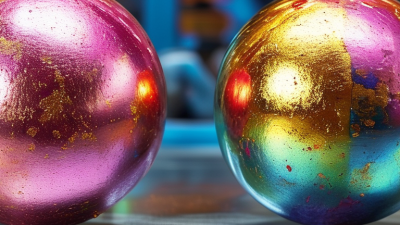
    Picking a reliable PVD coating supplier can really make a difference when it comes to your product's quality, how long it lasts, and whether customers trust what you’re offering. You see, physical vapor deposition isn’t just about having a shiny surface—it's all about careful prep, stable equipment, and paying close attention to the process. A glossy finish alone doesn’t cut it; the coating needs to bond well, stand up to wear and tear, and stay consistent in color across different batches.

    Good suppliers with lots of experience usually walk you through every step—explaining how they prepare the substrate, how thick the coating is, the conditions inside their chambers, and how they check quality. They should be willing to share sample panels, adhesion test results, thickness records, and practical tips for different materials like stainless steel or zinc alloys. That kind of info shows they really know their stuff, instead of just making promises that sound good. Plus, it helps you understand things like what exactly an '18k Gold PVD coating' means—without getting caught up in the fancy cosmetic stuff and losing sight of what’s truly in the material.

    Then, trustworthiness isn’t just about technical skills—it’s also about communication. A good supplier will double-check all your drawings, tolerances, surface finishes, packaging needs, and delivery timelines before starting any work. Nothing’s more frustrating than finding a fingerprint on a test panel or uneven polishing after everything’s done—small things that can seriously impact the final look and performance. Of course, no supplier’s perfect, and you shouldn’t accept vague or vague-sounding claims without verifying them. Even experienced teams can misinterpret finish details or overlook complex shapes. That’s why it’s smart to ask for samples, clear written specs, transparent quality checks, and direct conversations with the technical folks involved. The best PVD coating suppliers aren’t just about making things look good—they’re there to help you avoid avoidable issues, keep things consistent, and make smarter decisions throughout your project.
    Why Choose Reliable PVD Coating Suppliers?

    What Is PVD Coating and Why Does Supplier Reliability Matter?

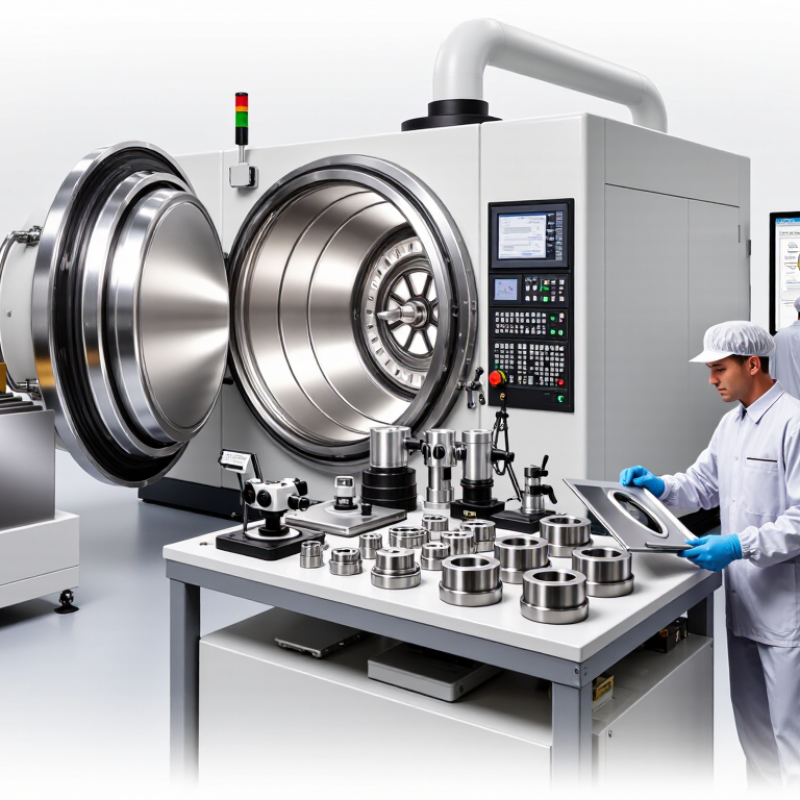
    PVD coating, or Physical Vapor Deposition, applies a thin protective film inside a vacuum chamber. The process changes solid coating material into vapor, then deposits it onto prepared surfaces. This can improve hardness, wear resistance, appearance, and surface performance. Common applications include cutting tools, hardware, medical instruments, and precision components. The result depends on more than the coating machine. Surface cleaning, fixture design, temperature control, and thickness measurement all matter.

    Supplier reliability matters because small process differences can create visible defects or early wear. An experienced supplier should explain the coating’s composition, expected thickness, testing methods, and suitable substrate materials. They should also inspect sample parts before full production. In practical projects, clear records help trace cleaning conditions, chamber settings, and inspection results. Pvd Coating Specialty Services may sound impressive, but technical evidence matters more than polished wording. Ask for test data, process tolerances, and realistic service limits. No coating solves every design problem. That point is often overlooked.

    Tips: Send drawings, material details, and operating conditions before requesting a quotation. Ask how edges, holes, and polished areas will be handled. Request a sample run when appearance or fit is critical. Check whether the supplier measures adhesion, thickness, and surface roughness. Keep communication specific. “High quality” is not a measurable specification. A reliable partner welcomes careful questions, although occasional process variation still deserves honest review.

    How to Evaluate a PVD Coating Supplier’s Technical Expertise

    Why Choose Reliable PVD Coating Suppliers?

    How to Evaluate a PVD Coating Supplier’s Technical Expertise

    A capable supplier should explain the coating process in practical terms. Ask how they prepare surfaces, control chamber temperature, and adjust gas flow. For Pvd Coating On Stainless Steel , surface cleaning is especially important. Oil residue or fingerprints can weaken adhesion. Ask for evidence.

    Technical expertise appears in testing, not attractive samples alone. A reliable supplier should provide coating thickness, hardness, adhesion, and wear-test data. Request test methods and acceptance limits. Cross-section measurements can reveal uneven coverage around corners and drilled holes. These details matter during production.

    Experience also shows through process records and failure analysis. The supplier should track batch numbers, substrate grades, chamber conditions, and inspection results. Ask how they handle peeling, color variation, or premature wear. A small trial run can expose problems before full production. Measure the details.

    However, not every technical claim deserves immediate trust. A polished report may still miss edge effects or cleaning inconsistencies. Ask whether testing used your actual steel grade, geometry, and surface finish. Independent laboratory verification can strengthen confidence when results seem unusually perfect. Good suppliers should welcome difficult questions and explain limitations clearly. This is not always comfortable, but it reveals professional honesty.

    Which Quality Standards Should Reliable Suppliers Meet?

    Reliable PVD coating suppliers should meet measurable quality standards, not merely display certificates. ISO 9001 confirms controlled processes, traceable records, and corrective actions. ISO/IEC 17025 accreditation strengthens confidence in thickness, hardness, and adhesion measurements. A supplier should also report equipment calibration dates and test uncertainty. Small details matter.

    For practical validation, ASTM D3359 can assess coating adhesion, while ASTM B117 supports corrosion testing. ISO 20502 evaluates scratch resistance under defined loads. These tests do not guarantee every application, but they create comparable evidence.

    Grand View Research estimates the physical vapor deposition market will expand at about 6% annually through 2030. That growth may encourage rushed production. Buyers should request batch records, cross-section images, and samples from actual production equipment.

    Environmental standards deserve equal attention. ISO 14001 can verify structured environmental management, while supplier data should disclose energy use, process chemicals, waste handling, and water consumption. The International Energy Agency reports that industry remains responsible for roughly one-quarter of global energy-related emissions. Sustainable Pvd Coating Technology should therefore include efficient vacuum cycles and controlled material usage, not only attractive marketing language. Certificates can age. Records can be incomplete. An onsite audit may reveal gaps between documented procedures and a scratched test coupon.

    How Supplier Experience Affects Coating Performance and Durability

    Supplier experience directly shapes PVD coating performance. A skilled supplier does more than operate a vacuum chamber. It controls substrate cleaning, temperature, bias voltage, arc stability, and coating thickness. Small errors can create pinholes, weak adhesion, or uneven color.

    ASM Handbook, Volume 5A, reports that many hard PVD coatings reach approximately 20–35 GPa in hardness. However, hardness alone does not guarantee durability.

    Industrial tool studies often report two- to five-fold longer tool life after properly optimized PVD treatment. The result depends on substrate preparation and operating conditions. It is not automatic.

    Experience shows in the details.

    Experienced suppliers examine cutting speed, load, lubrication, and contact temperature before selecting a coating system. They also use adhesion testing, thickness mapping, and batch records.

    ISO 20502 scratch testing can reveal coating failure before production begins. That evidence matters more than attractive sample colors.

    Still, supplier experience is not perfect. Even a mature process may require adjustment between steel grades or machine batches. A reliable partner documents failures, questions old settings, and repeats validation tests. That discipline improves consistency, especially when coatings face heat, abrasion, and repeated impact.

    Thin coatings demand careful judgment. One overlooked cleaning step can shorten service life dramatically.

    Why Consistent Production and Quality Control Are Essential

    Reliable PVD coating suppliers protect consistency through controlled production, not attractive samples alone. A coating line should record chamber pressure, substrate temperature, bias voltage, arc current, and deposition time. Small changes can alter color, hardness, adhesion, and wear resistance. The ISO Survey 2022 recorded more than 1.2 million ISO 9001 certificates worldwide, showing how widely documented quality systems are used. Certification helps, but it never replaces process evidence.

    Ask suppliers to define inspection points for Pvd Coating Materials, incoming substrates, and finished parts. Practical controls include witness coupons, coating-thickness mapping, scratch adhesion tests, and batch-based hardness checks. ASTM B571 provides established guidance for qualitative adhesion testing, while ISO 2063-1 supports structured evaluation of thermal-spray coatings and related surface performance. These references do not remove every production risk. They create a common language for reviewing it.

    The best suppliers preserve traceability from powder, target, or pellet storage to final inspection. A clear batch record should show who adjusted the equipment and why. That detail matters during failure analysis. Yet even disciplined factories can miss a weak edge or uneven fixture position. Honest reporting is essential. A supplier that shares deviation records, corrective actions, and retest results may be more reliable than one showing only perfect photos. Consistent production is not perfection; it is controlled learning.

    How Reliable Suppliers Improve Costs, Delivery, and Technical Support

    Why Choose Reliable PVD Coating Suppliers?

    A reliable PVD coating supplier can reduce hidden costs before production begins. In my experience, clear drawings and sample checks prevent expensive rework later. A technical team should confirm substrate material, coating thickness, color range, and surface preparation. These details affect adhesion, wear resistance, and final appearance. Small omissions become large invoices.

    Delivery also depends on disciplined communication. Reliable suppliers provide realistic lead times, not optimistic promises. They explain capacity limits, inspection stages, and packing methods before accepting an order. One late batch can interrupt assembly, delay customer shipments, and increase storage pressure. Tracking updates help, although they are not a substitute for accurate planning. I have seen schedules fail because one tolerance was never discussed. That mistake deserves review.

    Tips: Ask for a written process flow and measurable inspection criteria. Request trial samples under actual production conditions. Confirm how rejected parts are handled and when corrective reports arrive. Technical support should remain available after delivery, especially when coating performance changes. Good support is practical: photographs, test data, and a clear action plan. Perfect suppliers do not exist. Transparent ones improve.

    Why Choose Reliable PVD Coating Suppliers?

    Reliable suppliers improve delivery performance, quality consistency, cost control, and technical support.

    Illustrative industrial procurement benchmark using common supplier-performance KPIs. Higher percentages indicate stronger performance.

    DLC Coating Machines: Market Trends, Performance & China Supply Insights | Grand View Research & MarketsandMarkets

    The DLC coating equipment market is gaining momentum as manufacturers seek harder, lower-friction surfaces for automotive components, cutting tools, molds, medical instruments, and precision parts. Grand View Research identifies rising demand for wear-resistant and energy-efficient surface technologies as a key growth driver, while MarketsandMarkets forecasts continued expansion of the diamond-like carbon coating sector through the end of the decade. These trends reflect the growing need to extend component service life, reduce maintenance, and improve performance under demanding operating conditions.

    The DLC series vacuum coating machine integrates ion source, magnetron sputtering, and PECVD technologies in one system, enabling dense and uniform film deposition without an external ionization source. Its compound magnetic-field design improves ionization efficiency, while deposition speeds above 1 µm/h support higher production throughput. DLC films produced by the system offer high hardness, excellent wear and corrosion resistance, low friction, and anti-sticking performance. Low-temperature processing also helps protect heat-sensitive substrates and preserve dimensional accuracy, making the equipment suitable for diverse industrial applications and China-based supply chains requiring scalable, efficient coating production.

    FAQS

    What is PVD coating?

    PVD coating deposits a thin protective film inside a vacuum chamber. Solid material becomes vapor first.

    What benefits can PVD coating provide?

    It can improve hardness, wear resistance, appearance, and surface performance. Results depend on preparation.

    Why does supplier reliability matter?

    Small process differences may cause pinholes, uneven color, weak adhesion, or early wear. Details matter.

    What information should buyers send before requesting a quotation?

    Send drawings, substrate details, surface finish, operating temperature, loads, speeds, and lubrication conditions. Be specific.

    Which quality evidence should a supplier provide?

    Request thickness data, adhesion results, hardness measurements, surface roughness, calibration dates, and batch records. Certificates alone are insufficient.

    Should buyers request sample coating runs?

    Yes, especially when appearance, tight fit, edges, or small holes matter. A sample can expose problems early.

    How does supplier experience affect coating durability?

    Experienced suppliers control cleaning, temperature, bias voltage, coating thickness, and chamber stability. One missed cleaning step can shorten service life.

    Does greater coating hardness always mean better performance?

    No. Hardness alone cannot guarantee durability. Substrate material, heat, impact, lubrication, and contact conditions also matter.

    Which tests can help evaluate coating quality?

    Scratch testing can assess resistance and failure behavior. Thickness mapping and adhesion testing provide additional evidence.

    What should buyers know about environmental performance?

    Ask about vacuum-cycle efficiency, material use, energy consumption, waste handling, and water use. “Sustainable” needs evidence.

    Conclusion

    Choosing reliable PVD coating suppliers is essential for achieving durable, attractive, and consistently high-performing coated products. Physical Vapor Deposition (PVD) is a controlled vacuum process that applies a thin, hard coating to a surface, improving resistance to wear, corrosion, friction, and temperature. A dependable supplier should demonstrate strong technical expertise, understand different substrate and application requirements, and provide accurate recommendations for coating materials, thickness, adhesion, and surface preparation. Their production capabilities should also include modern equipment, skilled personnel, and effective process monitoring.

    Reliable suppliers typically follow recognized quality standards and maintain strict quality control throughout preparation, coating, inspection, and packaging. Their experience helps ensure stable coating performance, long service life, and fewer production defects. Consistent manufacturing also supports predictable delivery schedules and reduces waste, rework, and overall costs. In addition, professional PVD coating suppliers offer responsive technical support, clear communication, and practical solutions when requirements change. Selecting a trustworthy partner therefore improves product quality, production efficiency, and long-term business value.

    Amelia

    Amelia

    Amelia is a dedicated marketing professional at Guangdong HUASHENG Nanotechnology Co., Ltd., a leading supplier of advanced nanocoating solutions in China. With a deep expertise in the company's cutting-edge vacuum coating equipment, she plays a crucial role in bridging the gap between technology......
    Previous Who Is the Best PVD Machine Manufacturer in China?