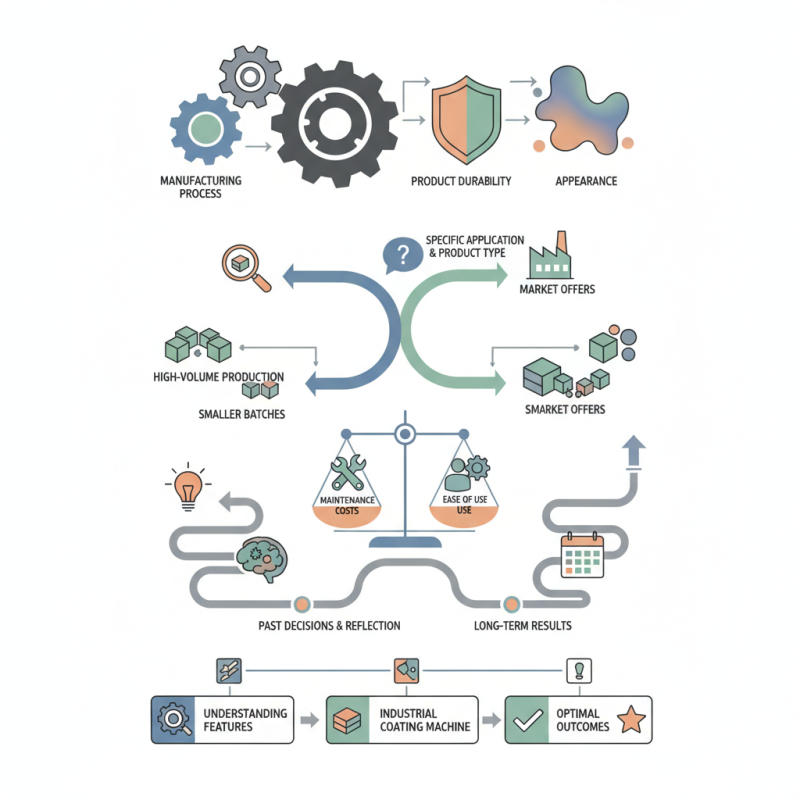
Picking the right industrial coating machine isn’t just a shot in the dark — it’s pretty crucial if you wanna get things right in your manufacturing process. These machines do a lot: they boost the durability of your products and make them look better too. But here’s the thing — every industry’s a little different, which makes choosing the right one kind of tricky. Before you make any decisions, think about what you’re actually coating and what kind of product you’re working with.
The market’s pretty packed with options, too. Some machines are built for high-volume production — you know, those big runs — while others are better for smaller batches. Like, XYZ Coatings might have some specialty models if you’re doing something really niche. Doing a bit of research helps you figure out which machine actually fits your needs — no point wasting time or money.
And let’s be real — not every choice will be perfect. Things like how much the machine costs to maintain or how user-friendly it is can sometimes get overlooked in the rush. A lot of folks realize down the line that those little details matter way more than they thought. If you keep an eye on potential challenges early on, you’ll set yourself up for better results in the long run. So take the time to really understand the features of different Industrial Powder Coating Machines. That way, you’re more likely to go with a choice that works best for you and your project.
Factors to Consider When Selecting an Industrial Coating Machine
When selecting an industrial coating machine, there are several key factors to consider. The type of coating required is crucial. Whether it’s liquid, powder, or UV coatings can influence the choice. Each coating type has unique characteristics that affect application methods. Understanding the requirements of your specific project will lead to better equipment choices.
Additionally, examine the machine’s capacity and efficiency. Different machines can handle varying production volumes. Ensure the chosen machine meets your production needs without unnecessary delays. Consider the machine’s energy consumption too. Efficient machines may have a higher upfront cost but can save money in the long run.
Maintenance and support are also important aspects. A more complex machine might require regular servicing. Assess whether your team can manage this or if external support is needed. Think about the space available for installation as well. A larger machine can offer enhanced capabilities but might not fit in your workspace. Thus, balancing these elements is essential for making the right decision.
Understanding Different Types of Industrial Coating Technologies
Choosing the right industrial coating technology can be daunting. Numerous types exist, each with unique benefits and drawbacks. Understanding these options is key to successful application.
Powder coating is popular for its durability. Industry reports indicate that the market for powder coating was valued at around $18 billion in 2020. This method provides a thick, even finish while being environmentally friendly. However, achieving uniformity can be tricky. Factors like humidity and temperature can impact the process.
Liquid coating technologies are also essential. They offer versatile applications across various substrates. Reports suggest that liquid coatings make up a significant portion of the market. However, they often involve safety concerns related to volatile organic compounds (VOCs). This makes comprehensive safety training necessary.
Each technology has its strengths and weaknesses. The choice largely depends on project requirements. Reflecting on the unique demands of each application can guide you towards selecting the right machinery. It's crucial to weigh these factors carefully.
Essential Tips for Choosing the Right Industrial Coating Machine
| Coating Type |
Application Method |
Typical Uses |
Drying Method |
Key Advantages |
| Powder Coating |
Electrostatic Spray |
Metal, Automotive Parts |
Oven Curing |
Durable, Environmentally Friendly |
| Liquid Coating |
Spray or Dip |
Electronics, Wood Furniture |
Air Drying or Heat |
Versatile, Easy to Apply |
| UV Coating |
Roller or Spray |
Printing, Wood Finishing |
UV Light Curing |
Fast Drying, High Gloss |
| Electrocoating |
Electrophoretic Deposition |
Automotive Bodies, Heavy Equipment |
Oven Curing |
Uniform Coating, Good Corrosion Resistance |
Evaluating Production Capacity and Efficiency Requirements
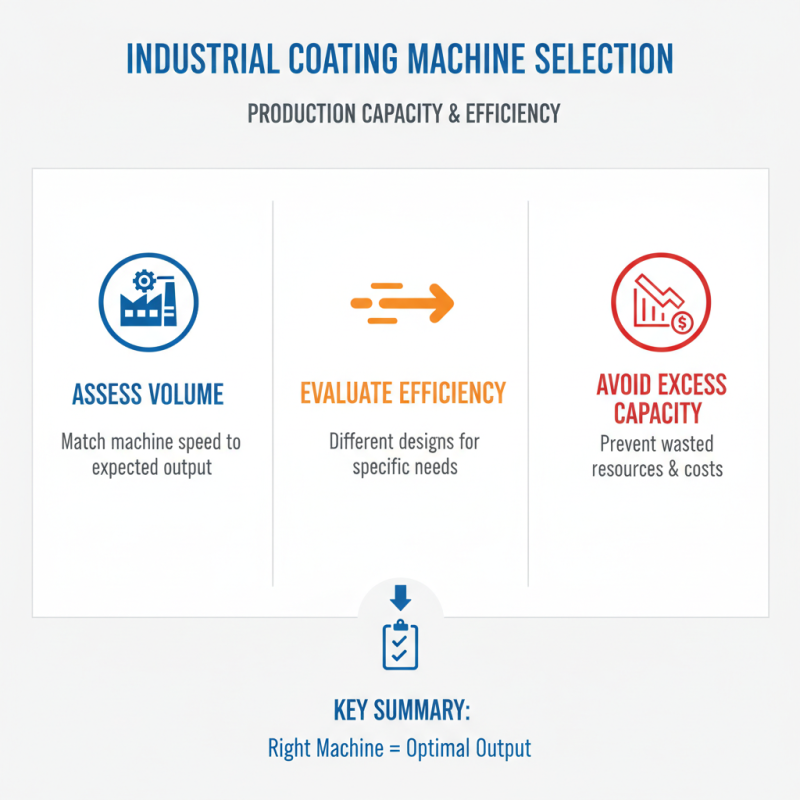
When selecting an Industrial Coating Machine, evaluating production capacity and efficiency is crucial. Different designs serve specific needs. Always start by assessing the volume of production you expect. A machine that operates at high speed may seem ideal, but it might not suit your output requirements. You could end up with excess capacity, wasting resources.
Consider the type of products being coated. Some items may need precision and care; others might be more straightforward. The machine's versatility plays a role here. Balancing efficiency with precision can be challenging. It's essential to analyze the coating times and material flow rates. These details often reveal inefficiencies that require adjustments.
Do not forget to think about maintenance and training. The most efficient machine might still break down if not properly cared for. Employees might need time to adapt to new technology, impacting efficiency. Reflecting on these factors can prevent potential setbacks in your production line.
Importance of Coating Thickness and Uniformity Specifications
When choosing an industrial coating machine, coating thickness and uniformity are critical factors. Coating thickness impacts the durability and performance of the product. If the coating is too thin, it may lead to premature wear and corrosion. Conversely, too thick a coating may result in cracking and peeling over time. An optimal thickness ensures balance and longevity.
Uniformity is equally essential. An uneven coating can cause inconsistent quality in products. This affects aesthetics and functional performance. Variability in thickness from one area to another can lead to defects that are costly to address later. Regular checks during the coating process can help maintain consistency, but they can be neglected in busy environments.
Selecting the right machine can be complicated. There are numerous specifications and features to consider. Sometimes, manufacturers focus too much on production speed, overlooking critical quality checks. The wrong choice can lead to wasted materials and time. Understanding the importance of these specifications can lead to better long-term outcomes. Investing time in this can drastically improve product quality and customer satisfaction.
Coating Thickness and Uniformity Specifications
This chart illustrates the important specifications for selecting an industrial coating machine, highlighting the required coating thickness and uniformity values that impact the quality and performance of coatings. The thickness is shown in micrometers (µm) while uniformity is represented as the standard deviation (σ).
Assessing Maintenance and Operational Costs of Coating Machines
When selecting a coating machine, maintenance and operational costs play a critical role. According to industry reports, over 40% of companies cite high operational costs as a major concern. Regular maintenance can significantly impact these expenses. A well-maintained Vacuum Coating Machine can operate more efficiently, reducing energy consumption and waste. Data shows that energy-efficient machines can cut operational costs by up to 30%.
Unexpected breakdowns can be costly. Studies indicate that unplanned downtime can result in losses of $250,000 per incident for larger facilities. Investing in quality maintenance plans is essential. Proper training for operators can also enhance the performance of a Vacuum Coating Machine. Lack of training often leads to user errors, contributing to increased costs and reduced productivity.
Additionally, the initial investment in a coating machine shouldn't overshadow future costs. Cheaper models may save money upfront but could lead to higher long-term expenses. It's important to assess not just the purchase price but also the total cost of ownership. A comprehensive view helps prevent regret later. Inadequate evaluation might lead to regrets, impacting production schedules and profitability all at once.
Reviewing Environmental Regulations and Compliance Standards
Choosing an industrial coating machine requires careful consideration, especially regarding
environmental regulations and compliance standards. Many industries face
stringent rules to reduce pollution and ensure worker safety. A
Bopp Film Coating Machine
can meet these requirements, but you must assess its features thoroughly.
One aspect often overlooked is the machine’s energy efficiency.
Energy consumption impacts both costs and compliance. Machines with higher efficiency ratings can help
meet local emissions standards. The materials used in these machines also matter. Certain coatings emit
more volatile organic compounds (VOCs), potentially
leading to regulatory issues.
It's vital to stay updated on evolving regulations. Technology changes quickly, and older machines may
not comply with new standards. Ignoring this can lead to costly fines
and production delays. Consider seeking advice from experts in compliance to ensure your choice reflects
the latest environmental standards.
Investigating Supplier Reputation and After-Sales Support Services
When selecting an industrial coating machine, supplier reputation is crucial. Trustworthy suppliers show consistent performance. According to a survey by the Coating Machinery Manufacturers Association, 70% of businesses report vendor reliability as a key factor in their selection process. Suppliers with a solid track record often provide better service, which directly impacts productivity.
After-sales support services can make a significant difference. A report from the National Association of Manufacturers indicates that 60% of companies value technical support over price. Timely assistance can reduce downtime significantly. For specialized machines like the Dlc Coating Machine, ongoing support ensures proper maintenance and optimal performance. Many users note that lack of response from suppliers can lead to costly delays and operational inefficiencies.
However, not all suppliers deliver on promises. Some businesses find gaps in after-sales services. This inconsistency can lead to frustration. Checking customer reviews and case studies can offer insights into reliability. Engaging with current clients can reveal vital information about their experiences with the supplier. An informed choice may help avoid pitfalls and enhance production efficiency.
The Impact of Advanced Decorative Coating Technologies on Industry Growth: Insights from 2023 Market Analysis Reports
The impact of advanced decorative coating technologies on industry growth is underscored by insights from recent market analysis reports, highlighting a significant shift towards multifunctional surface treatment solutions. Among these innovations, modern decorative coating systems have revolutionized the way industries approach not only aesthetics but also performance. Utilizing advanced techniques such as Arc, Magnetron Sputtering (MS), and Plasma-Enhanced Chemical Vapor Deposition (PECVD), these machines deliver coatings that guarantee a superior and uniform finish, enhancing both durability and visual appeal.
The performance advantages of these coatings extend beyond mere aesthetics, providing excellent adhesion and high wear resistance, which are critical for applications across automotive, aerospace, and consumer electronics sectors. The ability to achieve sophisticated color gradient effects adds a layer of customization that appeals to modern consumers, driving the demand for such technologies. Furthermore, these systems ensure consistent coating quality through advanced process control, while also focusing on environmentally friendly designs that mitigate ecological impact, aligning with industry trends towards sustainability. As industries increasingly recognize the value of these advanced decorative coatings, their adoption is poised to accelerate, fostering growth and innovation across various fields.
FAQS
: Check the user manual for troubleshooting steps. If unresolved, contact customer support.
Regularly clean it and store it properly. Ensure it’s in a safe environment, away from extreme temperatures.
Generally, you can return faulty items within a specific period. Ensure to keep the receipt.
Yes, but it might be challenging. Try looking for a digital version online.
Create a schedule for regular checks and cleanings. Avoid skipping these important tasks.
Reflect on what you expected. Consider reaching out for help or returning it if necessary.
Conclusion
When selecting the right industrial coating machine, there are several critical factors to consider. Firstly, it's essential to understand the different types of coating technologies available, as each offers unique advantages depending on the application. Evaluating production capacity and efficiency requirements will also help ensure the machine meets operational demands. In addition, attention must be paid to coating thickness and uniformity specifications, which directly impact the quality of the finished product.
Furthermore, assessing the maintenance and operational costs of the coating machine is vital for long-term budget planning. Compliance with environmental regulations is also a crucial consideration, as it ensures sustainability and adherence to industry standards. Lastly, investigating the supplier's reputation and the quality of after-sales support services can significantly influence the overall effectiveness and reliability of the chosen industrial coating machine. By carefully considering these factors, businesses can make informed decisions that enhance their coating processes.