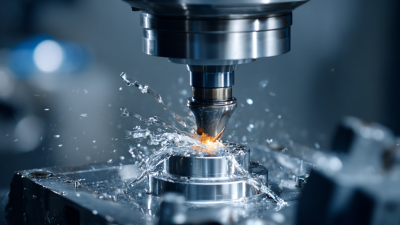
In the fast-changing world of manufacturing, you really can’t overlook the importance of industrial coatings. They’re honestly a game-changer when it comes to making products last longer and look better. I’ve been digging into some of the latest innovations in this space, and wow, the advancements are pretty exciting—they’re really transforming the industry. One company that’s leading the charge is Guangdong HUASHENG Nanotechnology Co., Ltd. They’re a top player domestically when it comes to advanced nanocoating solutions. What’s cool about them is their heavy focus on R&D and producing state-of-the-art vacuum coating equipment. Basically, they’re all about delivering top-notch coatings that not only keep up with what modern manufacturing demands but also come with solid technical support and professional service. As more industries look to boost durability and improve the visual appeal of their products, adopting these innovative coating techs becomes pretty much essential. It’s paving the way for better product performance and helping companies stay competitive in the market.
Understanding the Importance of Industrial Coatings in Enhancing Product Longevity
You know, industrial coatings are pretty much the unsung heroes when it comes to making products last longer across all sorts of manufacturing fields. I recently came across a report from MarketsandMarkets saying that the global market for these coatings is expected to hit around $148 billion by 2025 — that’s huge! A big part of the reason is that everyone’s looking for finishes that not only look good but also stand up to the elements. These coatings do a lot more than just make things look pretty; they actually protect surfaces from rust, sun damage, chemicals, and all that environmental stuff that can degrade them over time. Honestly, they’re key in making products last longer, which is a win-win, right?
There’s research from the American Coatings Association that shows having the right coating can bump up the lifespan of products by as much as 50%. Imagine that! For example, anti-corrosion coatings are a total game-changer for metals — preventing rust on things like cars and airplane parts, where durability really matters. And with tech advancing so fast, we now have high-performance fluoropolymer coatings that give products an awesome look without sacrificing durability. All in all, investing in smart, modern coatings isn’t just about making products look cooler — it’s about making sure they hold up over time, which means less frequent replacements and maintenance for everyone involved.
Key Innovations in Industrial Coatings: Materials and Technologies Revolutionizing Manufacturing
You know, cutting-edge industrial coatings are really shaking up the manufacturing world by making things more durable and looking better at the same time. Lately, some cool advances in materials—like self-healing coatings—could really help cut down on maintenance costs and make equipment last longer. Industry folks say that by 2025, more than 60% of manufacturing tools will be made with these advanced composites, which can handle the stresses of daily use much better. These upgrades don’t just save money—they also help the environment by making machines last longer, so there’s less waste.
When you're picking out coatings for your products, it’s really important to think about the environment they’ll be working in. The best coatings should stand up to wear and tear, chemicals, and UV rays—stuff that can really take a toll over time. Also, keep an eye on new trends like smart manufacturing — stuff like IoT-connected coatings that let you monitor performance and even predict when maintenance is needed. Pretty neat, right?
Oh, and don’t forget about how additive manufacturing—aka 3D printing—is changing the game. It allows for the creation of custom coatings suited for specific needs, especially in tough sectors like aerospace and automotive, where you really need lightweight, tough materials. As the whole aesthetic and functional aspect becomes more important, manufacturers are jumping on these technologies—not just to improve how their products perform, but also to make them look pretty impressive, too.
Assessing the Impact of Coating Thickness on Durability and Cost-Effectiveness
Let's talk about how the thickness of coatings really matters when it comes to durability and how cost-effective they are in industrial settings. For example, recent studies on asphalt pavements show that the thickness of the binder film can directly impact how well they perform and how long they last. The same goes for industrial coatings—if you vary the thickness, it can make a big difference in how resistant they are to wear and the elements. Usually, a thicker coating offers better protection against mechanical stress and corrosion, which basically means your equipment and parts will last longer.
On a related note, advancements in 3D printing are pretty fascinating because they also focus on optimizing material properties. Take dental prostheses made with SLS and SLA methods, for instance—by carefully controlling the layers, manufacturers can boost the strength and durability of these prints. It’s kind of similar to what we need in industrial coatings, where finding that sweet spot between thickness, performance, and cost is key. As industries continue to innovate, understanding how coating thickness affects performance and costs is crucial for both staying sustainable and making reliable products. Basically, it all comes down to balancing these factors to get the best results without breaking the bank.
Color and Finish Options: How Aesthetics Influence Customer Perception and Brand Value
Aesthetics really play a huge role when it comes to shaping how customers see a brand and its overall value, no matter the industry—whether it’s manufacturing, retail, or something else. You know, studies show that about 93% of folks make purchasing decisions based on how a product looks. So, colors and finishes in product design are actually pretty important. Take packaging, for example—research found that using the right colors can boost brand recognition by up to 80%, which clearly affects how consumers perceive quality and make choices. Products with eye-catching packaging tend to create a stronger desire to buy, showing just how deeply aesthetics and consumer behavior are connected.
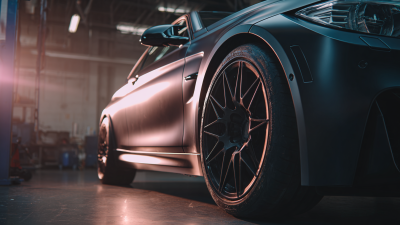
Then there’s the automotive world, where chemistry, materials, and design all come together. Innovative coating tech isn’t just about making cars look good — it also makes them last longer. A nicely painted car not only survives the test of time but also looks better, which really influences whether someone decides to buy it. In fact, a survey revealed that over 40% of car shoppers put color options right at the top of their list of things to consider. At the end of the day, if businesses want to stay competitive and build customer loyalty, paying attention to visual appeal in products and packaging is definitely a smart move to boost brand value overall.
Exploring Innovative Industrial Coatings: Transforming Durability and Aesthetics in Manufacturing
| Coating Type |
Durability Rating |
Aesthetic Finish |
Customer Perception Index |
Brand Value Contribution |
| Polyurethane |
9/10 |
Glossy |
85 |
High |
| Epoxy |
8/10 |
Matte |
80 |
Medium |
| Acrylic |
7/10 |
Satin |
75 |
Medium |
| Zinc-based |
9/10 |
Textured |
78 |
High |
Sustainability in Coatings: Eco-Friendly Solutions for Modern Manufacturing Challenges
Lately, there's been a real buzz around making coatings more sustainable — and it’s no surprise, especially with big initiatives like the European Green Deal leading the way. This shift is really shaking up the paints and coatings industry, pushing manufacturers to come up with eco-friendly, low-emission, and long-lasting resin solutions. As companies adjust to these new expectations, the global market for powder coatings is forecasted to grow quite a bit — some estimates even say it'll hit over $20 billion by 2030. The key players in this space are getting pretty creative, using the latest tech to boost both the performance and look of their products, all while keeping things greener.
On top of that, the rise of spin-on carbon (SOC) tech is changing the game when it comes to industrial coatings. These solutions are super flexible, working efficiently and being kind to the planet at the same time. It’s all part of the bigger picture of making manufacturing more sustainable—taking steps to cut down on chemical emissions, especially in things like offshore wind farm protection. Also, we’re seeing some pretty exciting progress in the world of e-textiles. These high-tech fabrics are made using advanced manufacturing methods, which help create innovative products that are better for the environment but still do the job well. Overall, it’s pretty clear that in today’s manufacturing scene, aesthetics and eco-responsibility are becoming more intertwined than ever, and it’s pretty exciting to watch that happen.
Performance Metrics: Evaluating the Efficacy of Innovative Coatings in Real-World Applications
Innovative industrial coatings are really changing the game in manufacturing, making things more durable while also looking better. Lately, there's been a big push toward using more sustainable building materials, and performance ratings are now more important than ever when it comes to testing out these new coatings. Take, for example, a recent study on eco-friendly coatings for solar panels—researchers looked into recyclable biomass digestate polymers. These biodegradable materials not only help the environment but also perform really well in real-world situations, proving that new materials can be a real asset in industrial settings.
On top of that, experiments have shown that nano-coatings can seriously cut down on performance loss caused by environmental stuff like dust or dirt. For instance, it’s been found that dust buildup can reduce how well solar systems work by up to 60-70%. But with self-cleaning nano-coatings, manufacturers can keep things running smoothly even in tough weather conditions, which boosts efficiency and makes the whole industry more sustainable. Overall, jumping on these new coating technologies is a pretty important step toward meeting the industry’s needs for durability and style, all while staying eco-friendly and responsible.
FAQS
: The thickness of coatings plays a crucial role in durability, as a thicker coating typically provides better protection against mechanical stress and corrosion, hence extending the lifespan of equipment and components.
Variations in coating thickness can significantly influence both performance and manufacturing costs, making it essential to balance these factors for optimal cost-effectiveness in industrial applications.
Aesthetics significantly shape customer perception and brand value, with research showing that 93% of consumers make purchases based on visual appearance, underscoring the importance of color and finish.
Studies indicate that colors can enhance brand recognition by up to 80%, affecting consumer choices and their perceptions of product quality, especially in packaging.
In the automotive industry, well-crafted coatings not only improve durability but also enhance visual appeal, influencing buyer decisions significantly, with over 40% of car buyers considering color options essential in their purchasing process.
The coatings industry is increasingly focusing on sustainability, driven by frameworks like the European Green Deal, leading to the development of low-emission, durable resin solutions, and a projected growth in the global powder coatings market.
Spin-on carbon (SOC) technology is an innovative approach in industrial coatings that offers efficient, versatile, and ecologically responsible solutions, marking a significant advancement in the trend toward sustainability in manufacturing.
Manufacturers are innovating to create environmentally friendly alternatives and enhancing performance while prioritizing eco-friendly practices to meet the rising demand for sustainable coatings.
Heterogeneous e-textiles utilize advanced manufacturing techniques to produce innovative products that improve sustainability without sacrificing functionality, reflecting a growing trend of merging aesthetics with environmental responsibility.
Conclusion
Industrial coatings are pretty much essential when it comes to making products last longer and work better in manufacturing settings. In this article, I want to explore some of the coolest innovations happening in the world of industrial coatings — like the new materials and tech that are really shaking things up. We’ll also chat about stuff like coating thickness and why it matters for durability and cost savings. Plus, don’t forget about looks — things like color choices and finishes can really influence what customers think and how strong your brand comes across.
And if you’re thinking about the environment, you're not alone. Sustainability is a big deal these days, and eco-friendly coatings are stepping up to meet these modern challenges. The article also touches on the importance of performance metrics — basically, how companies can tell if these new coatings actually do what they’re supposed to in real-life situations. All in all, this write-up isn’t just about the tech side of things; it also connects with what Guangdong HUASHENG Nanotechnology Co., Ltd. is doing. They’re leading the way with some pretty cutting-edge nanocoatings and vacuum coating equipment, which is pretty exciting if you ask me.