• icon_youtube
  • Linkedin
  • Leave Your Message
    0%

    You know, when it comes to today’s industrial spaces, the kind of flooring you choose really makes a difference—whether it's safety, durability, or just keeping everything running smoothly. Industrial Floor Coatings are pretty much the unsung heroes here, taking care of surfaces and helping them stand up to heavy machinery, lots of foot traffic, and all sorts of environmental challenges. Picking the right coating isn’t just about looks; it also boosts safety with slip-resistant surfaces and helps prevent the buildup of dangerous materials.

    With so many options out there, it can sometimes feel a bit overwhelming trying to figure out what’s best for your facility. That’s why I wanted to highlight the top seven industrial floor coatings—these are a great mix of tough and safe, tailored to different industries’ needs. Whether it’s epoxy or polyurethane, each type offers its own perks and is suited for specific purposes. The goal is to keep your place safe and durable for years to come. Making an informed choice about your floor coating means you’re not only protecting your team and assets but also saving on maintenance costs and reducing those annoying downtime moments.
    Top 7 Industrial Floor Coatings for Durability and Safety in Your Facility

    Overview of Industrial Floor Coatings and Their Importance

    Industrial floor coatings play a crucial role in enhancing the safety and durability of facilities. These coatings are designed to withstand heavy loads, chemical spills, and constant foot or vehicle traffic, making them essential in sectors such as manufacturing, warehousing, and logistics. The right floor coating not only provides a protective barrier for the substrate but also improves the overall aesthetics of the workspace, creating a clean and professional environment.

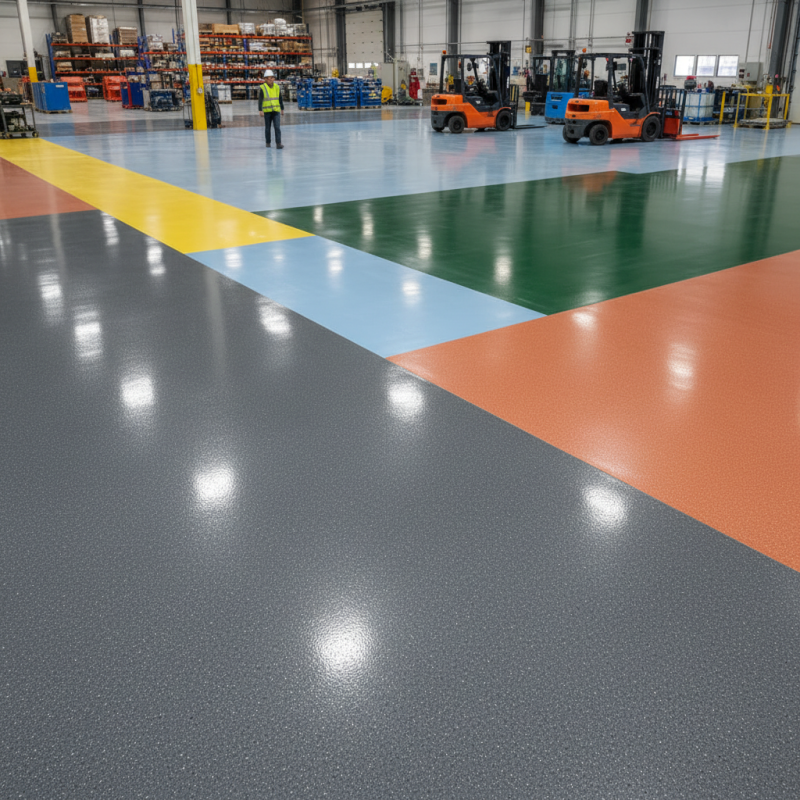
    In addition to their protective qualities, industrial floor coatings contribute significantly to workplace safety. Many coatings are formulated with anti-slip properties, which help reduce the risk of accidents in areas prone to spills or moisture. Furthermore, these coatings can be designed to enhance visibility, incorporating colors and markings that delineate work zones or traffic paths. By investing in high-quality industrial floor coatings, companies can ensure that their facilities remain safe and functional, ultimately promoting productivity and employee well-being.

    Key Attributes of Durable Industrial Floor Coatings

    Top 7 Industrial Floor Coatings for Durability and Safety in Your Facility

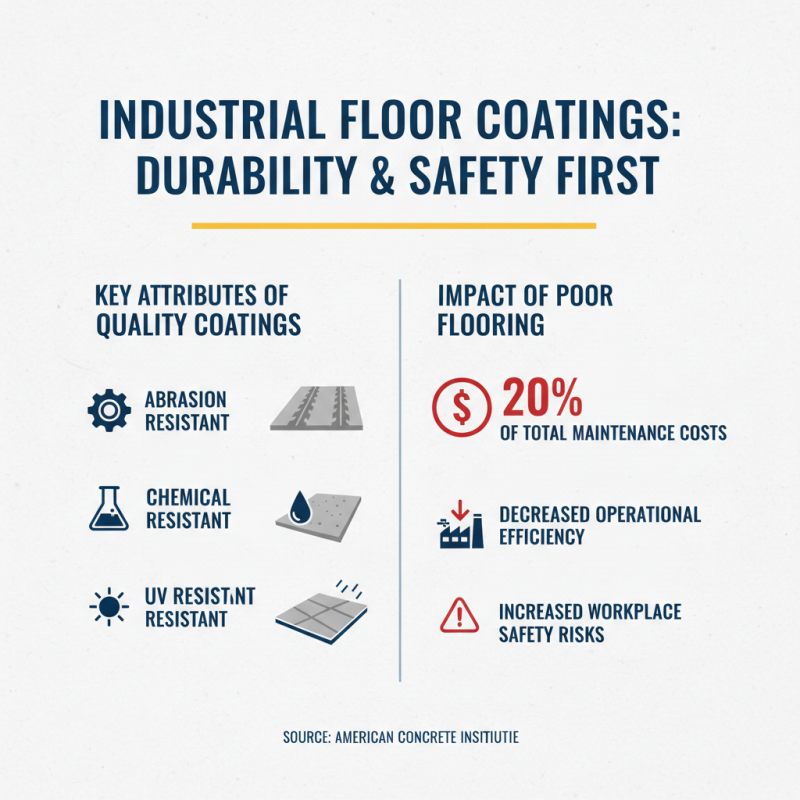
    When selecting industrial floor coatings, durability and safety are paramount. Key attributes of quality coatings include resistance to abrasion, chemical spills, and UV exposure. According to the American Concrete Institute, facilities can incur significant costs—up to 20% of total maintenance expenses—due to inadequate flooring. Therefore, choosing the right coating can directly impact both operational efficiency and safety in the workplace.

    To enhance durability, look for coatings that have a high hardness rating, often measured on the Mohs scale. A high rating indicates greater resistance to scratching and wear. Additionally, consider coatings that offer slip resistance, which is crucial in preventing workplace accidents. The National Safety Council reports that slips, trips, and falls are among the leading causes of workplace injuries, underscoring the importance of a safe flooring solution.

    **Tip:** Regular inspection and maintenance of your floor coatings can greatly extend their lifespan. In addition, applying a high-quality sealer can provide extra protection against chemical damage and wear. Ensure adequate training for personnel on moisture levels and cleaning practices to maximize the effectiveness of your chosen floor coating.

    Types of Industrial Floor Coatings Available

    Top 7 Industrial Floor Coatings for Durability and Safety in Your Facility

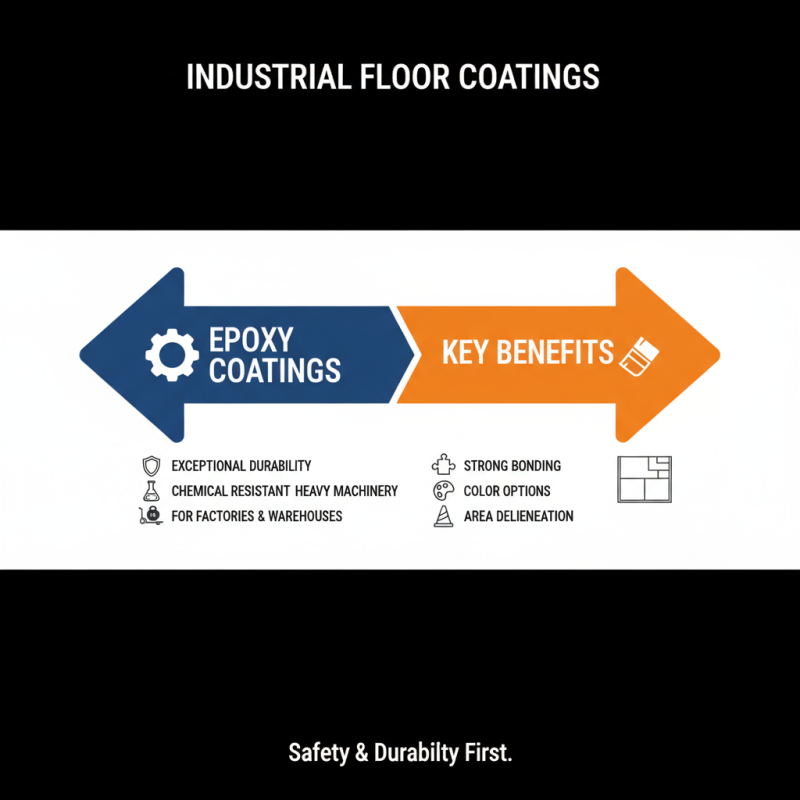
    When selecting industrial floor coatings, it's essential to understand the various types available to ensure they meet safety and durability requirements. Epoxy coatings, for instance, are highly popular due to their exceptional bonding strength and resistance to chemicals. This type of flooring is ideal for environments subjected to heavy machinery and frequent spills, such as factories and warehouses. Epoxy systems can also be formulated in various colors, making it possible to enhance visibility and delineate specific areas within a facility.

    Polyurethane coatings are another excellent option, known for their flexibility and resilience. They provide superior abrasion resistance and can withstand extreme temperature fluctuations, making them suitable for both indoor and outdoor applications. Additionally, they are often used in areas requiring slip resistance, ensuring employee safety in high-traffic or wet environments. Other types of coatings include resurfacing materials and methyl methacrylate, which are designed for quick installation and minimal downtime, catering to facilities looking for efficient solutions without compromising on performance. By evaluating these options, facility managers can make informed decisions tailored to their specific operational needs.

    Top 7 Industrial Floor Coatings for Enhanced Performance

    When selecting industrial floor coatings, enhanced performance is a crucial consideration for facilities aiming to maximize efficiency and safety. Recent industry reports indicate that high-performance floor coatings, such as epoxy and polyurethane solutions, can significantly elevate the durability and resistance of flooring systems. According to a 2022 study by the Coatings Research Group, epoxy coatings demonstrate an impressive compressive strength of up to 14,000 psi, making them ideal for heavy-duty applications commonly found in manufacturing and warehousing environments.

    Furthermore, the safety features of these coatings cannot be overlooked. Data from the National Floor Safety Institute highlights that slip and fall incidents remain a leading cause of workplace injuries. High-performance coatings can incorporate anti-slip additives and improve visibility through coloration and markings, which are essential in high-traffic areas. Facilities that have implemented these enhanced safety solutions report a reduction in accidents by up to 30%. Therefore, by investing in the right industrial floor coatings, organizations can ensure both performance efficiency and a safer working environment for their employees.

    Safety Features and Benefits of Each Coating Type

    When selecting industrial floor coatings, it's crucial to prioritize safety features as well as durability. Epoxy coatings, for instance, are renowned for their resistance to chemical spills and high impact, which reduces the risk of slips and falls. According to a report from the U.S. Occupational Safety and Health Administration (OSHA), workplaces with effective slip-resistant flooring can reduce slip and fall incidents by up to 70%. This statistic underscores the importance of choosing coatings designed with safety in mind.

    Another notable coating type is polyurethane, which offers not only exceptional abrasion resistance but also UV stability, making it ideal for facilities exposed to sunlight. Research published in the Journal of Safety Research indicates that facilities with well-maintained environments, including high-quality flooring, demonstrate a 50% reduction in occupational hazards. Additionally, floor coatings with anti-microbial properties are increasingly popular, particularly in food processing and healthcare settings, where they help prevent the growth of bacteria and other pathogens. By implementing such coatings, facilities can ensure compliance with health regulations while enhancing the overall safety of their environments.

    Factors to Consider When Choosing Floor Coatings for Your Facility

    When selecting floor coatings for your facility, it’s essential to consider various factors to ensure durability and safety. First and foremost, the type of environment plays a critical role; for instance, high-traffic areas may require coatings that can withstand constant wear and tear, while spaces exposed to chemicals or spills necessitate more resilient protective layers. Understanding the specific demands of your facility will help narrow down the options to those that offer the best performance and longevity.

    Additionally, the application process and curing time of the coating are vital considerations. Some coatings may require specialized equipment or professional application, which can affect project timelines and budgets. Safety features, such as slip resistance or fire ratings, should also be evaluated to comply with industry standards and enhance workplace safety. A careful assessment of these factors will lead to a more informed decision, ensuring that the selected floor coating not only meets the operational needs of your facility but also provides a safe environment for employees and visitors alike.

    Maintenance Tips for Extending the Life of Industrial Floor Coatings

    When it comes to maintaining the integrity of industrial floor coatings, regular maintenance is key to ensuring durability and safety. One of the most important steps is to establish a routine cleaning schedule. This should include sweeping and mopping to remove dust and debris that can contribute to surface wear. Additionally, spills should be cleaned up immediately to prevent staining and potential chemical damage. Using pH-neutral cleaners is also advisable, as harsh chemicals may degrade the coating over time.

    Another crucial aspect of maintenance is conducting periodic inspections for signs of wear or damage. Look for cracks, peeling, or discoloration that may indicate a need for repair or reapplication. Addressing these issues promptly can help prevent further deterioration and extend the lifespan of the coatings. Furthermore, applying a protective sealant every few years can provide an additional layer of defense against heavy traffic and abrasive materials. By following these maintenance tips, facilities can enhance the longevity of their industrial floor coatings while ensuring a safe working environment.

    FAQS

    : What are industrial floor coatings and why are they important?

    : Industrial floor coatings are protective layers applied to flooring surfaces to enhance safety and durability. They are vital for withstanding heavy loads, chemical spills, and high traffic, making them essential in sectors such as manufacturing and warehousing.

    How do industrial floor coatings improve workplace safety?

    Many industrial floor coatings feature anti-slip properties, which help reduce the risk of accidents in areas prone to spills or moisture. They can also enhance visibility through colors and markings, improving navigation in the workspace.

    What types of industries benefit from industrial floor coatings?

    Industrial floor coatings are beneficial in various sectors, including manufacturing, warehousing, logistics, and other environments that experience heavy loads and frequent foot or vehicle traffic.

    What are some characteristics of high-performance industrial floor coatings?

    High-performance industrial floor coatings, such as epoxy and polyurethane, offer enhanced durability and resistance, including high compressive strength, making them suitable for heavy-duty applications.

    How do industrial floor coatings affect productivity?

    By providing a safe and functional work environment, industrial floor coatings can enhance employee well-being and reduce accidents, which in turn promotes productivity.

    What evidence supports the safety benefits of industrial floor coatings?

    Studies indicate that facilities implementing high-performance coatings with safety features report a reduction in slip and fall incidents by up to 30%, highlighting their effectiveness in improving workplace safety.

    What features should be considered when selecting industrial floor coatings?

    When selecting industrial floor coatings, it’s important to consider their durability, resistance to chemicals and heavy loads, anti-slip properties, and the ability to enhance visibility within the workspace.

    Conclusion

    Industrial Floor Coatings play a crucial role in ensuring the durability and safety of facilities across various industries. These coatings not only enhance the aesthetic appeal of industrial spaces but also protect the underlying surfaces from damage caused by heavy machinery, chemicals, and foot traffic. Understanding the key attributes of durable industrial floor coatings, such as resistance to wear, impact, and chemical spills, is fundamental when selecting the appropriate type for your facility.

    The article outlines seven top industrial floor coatings known for their enhanced performance, alongside their safety features and benefits. It further highlights essential factors to consider when choosing floor coatings, such as application environment and intended use. Finally, it provides maintenance tips aimed at extending the lifespan of these coatings, ensuring facilities remain safe and efficient over time.


    Amelia

    Amelia

    Amelia is a dedicated marketing professional at Guangdong HUASHENG Nanotechnology Co., Ltd., a leading supplier of advanced nanocoating solutions in China. With a deep expertise in the company's cutting-edge vacuum coating equipment, she plays a crucial role in bridging the gap between technology......
    Previous Maximizing Value with the Best Engine Block Surfacer: Essential After-Sales Support and Maintenance Insights