Picking out the best PVD machine manufacturer in China isn’t just about comparing prices or clicking through shiny websites. Honestly, true performance comes down to the nitty-gritty: how stable the chamber is, how consistent the coatings are, how quickly it pumps down, how well the power supply is controlled, and how responsive the after-sales team is. A trustworthy supplier should be able to clearly explain these aspects — not just throw out buzzwords. They should also be willing to share test reports, technical drawings, installation tips, and references from similar industries.
In this intro, we're taking a look at how Chinese manufacturers design and support PVD coating systems for all kinds of stuff — from tools and hardware to auto parts and decorative finishes. We're considering their experience with equipment, engineering know-how, factory quality checks, and how reliable their long-term service really is. Real-world evidence is what counts. Maybe they show you a coating sample, share a vacuum reading, or explain how their system handles different fixture loads. Those small details often tell you a lot about their professionalism.
Now, no one manufacturer is automatically the best fit for everyone. That’s an important point. A small, tight-knit factory might need a different setup compared to a huge auto plant running thousands of parts. Some companies might have solid hardware but lack good training resources. Others could communicate well but not offer much in terms of customization. That's why this guide takes a close look at those differences — not just accepting marketing hype but asking tough questions about spare parts, software updates, maintenance schedules, and how fast they’re able to respond when things go wrong.
Ultimately, the best PVD machine supplier should act more like a technical partner than just a vendor. Their advice should be tailored to your materials, production goals, budget, and working environment. Seeing proven results and verifying details helps build trust — because protecting your investment with thorough research is always worth it.
What Is a PVD Machine and How Does It Work?
Who Is the Best PVD Machine Manufacturer in China?
PVD means physical vapor deposition. It creates a solid film inside a controlled vacuum chamber. The process begins with substrate cleaning and vacuum pumping. A metal target is then vaporized by sputtering or cathodic arc discharge. Plasma carries the vapor toward the product surface. The atoms condense into a dense coating, often between 0.5 and 5 micrometers thick. Process gases, substrate temperature, bias voltage, and chamber pressure shape the final result.
It is a precise process. Not magic. A 2024 Fortune Business Insights report estimated the global PVD coating equipment market at about USD 1.69 billion in 2023. It also projected continued growth through 2032, supported by demand from cutting tools, electronics, and decorative components. Grand View Research has similarly identified rising industrial adoption and improved vacuum technology as major market drivers. These figures show demand, but they do not prove that every machine performs equally well.
When comparing a Chinese manufacturer, inspect measurable evidence. Ask for vacuum leakage data, coating uniformity maps, temperature records, and repeatability tests. A polished sample can mislead. The machine should maintain stable pressure across repeated production cycles. Check whether the chamber supports practical cleaning and target replacement. Confirm training, spare-part availability, software records, and service response times. My experience suggests that basic specifications rarely reveal the whole picture. Trial coating with your actual material is safer than trusting a brochure. Supplier claims need independent verification.
Why Choose a Chinese PVD Machine Manufacturer?
Why Choose a Chinese PVD Machine Manufacturer?
China offers a deep manufacturing base for precision coating equipment. UNIDO reported that China produced about 31% of global manufacturing value added in 2022. This scale supports local machining, vacuum components, power supplies, and control systems. Buyers can often source a complete PVD line with fewer supply-chain delays. That matters when a chamber door seal fails or a cathode needs replacement.
Independent market reports also indicate steady demand. Fortune Business Insights estimated the global PVD market at approximately 2.82 billion US dollars in 2023. It projected continued growth through the decade. Chinese manufacturers serve this expanding market with systems for tools, decorative components, electronics, and wear-resistant parts. A reliable supplier should provide coating trials, film-thickness data, vacuum-leak testing, and clear maintenance records. Ask for measurable evidence.
The phrase Chemical Vapor Deposition Machine is sometimes used loosely beside PVD equipment. The processes differ, especially in precursors, temperatures, and chamber design. Experienced suppliers explain that difference before proposing a system. However, not every low-cost machine delivers equal stability. Some interfaces feel unfinished, and technical documents may need improvement. Factory acceptance tests, spare-parts lists, operator training, and response-time agreements reduce that risk. A serious evaluation should include sample production, not only a polished quotation.
Key Criteria for Comparing PVD Machine Manufacturers
Choosing the best PVD machine manufacturer in China starts with clear, measurable criteria. In practical factory evaluations, machine performance is only one part. Ask how the supplier handles coating material, substrate, batch size, and production speed. A serious manufacturer should inspect samples before proposing equipment. Request trial results covering film thickness, adhesion, uniformity, vacuum stability, and cycle time. Vague promises are warning signs. Small details matter.
Compare engineering depth, not just polished brochures. If an Industrial Powder Coating Machine is included in the project, confirm the supplier understands that process separately from PVD. Ask for equipment drawings, utility requirements, maintenance schedules, and spare-parts lists. Experienced engineers explain limitations as clearly as advantages. Operators should receive practical training, including alarm handling and chamber cleaning. Remote support helps, but hands-on commissioning often reveals overlooked problems. This is easy to underestimate.
Reliability also depends on documentation and after-sales response. Check independent customer references, warranty conditions, service response times, and technical records. Compare total ownership costs, including energy use, consumables, maintenance, and possible downtime. A lower purchase price can become expensive later. Review safety documentation and applicable standards before installation. Do not accept copied specifications without verification. I would score each manufacturer against the same checklist, but scoring is imperfect. Workshop conditions change, and the best supplier on paper may not fit the actual production floor.
Leading PVD Machine Manufacturers in China
Leading PVD Machine Manufacturers in China are increasingly judged by measurable engineering results, not polished showroom claims. Grand View Research valued the global PVD coating market at approximately USD 11.82 billion in 2023, with projected growth through 2030. This expansion is increasing demand for reliable Vacuum Coating Machine systems across tools, electronics, automotive components, and decorative hardware.
A capable Chinese manufacturer should demonstrate stable vacuum performance, repeatable film thickness, and practical after-sales support. During factory evaluations, buyers should inspect chamber welding, pump configuration, substrate rotation, power supply control, and cooling systems. A pumpdown test matters. So does a documented coating trial using the customer’s actual material. ISO 9001 certification can support process credibility, but it cannot replace technical evidence.
Recent market reports from Fortune Business Insights and Research and Markets also indicate steady growth in PVD equipment demand, driven by durable surface treatment and cleaner production methods. However, reported market values differ because analysts define equipment, services, and coatings differently. No ranking is perfect. The strongest manufacturers usually provide application testing, maintenance training, spare-parts planning, and clear acceptance standards. Buyers should compare energy consumption, batch capacity, coating uniformity, and recovery time after maintenance. A low purchase price may conceal higher downtime. Data beats promises.
How to Evaluate PVD Equipment Quality and Technology
Choosing the best PVD machine manufacturer in China requires more than comparing prices or polished brochures. Start with proven experience in your coating application, substrate type, and production volume. Ask for process records, sample results, and references from comparable factories. A serious manufacturer should explain vacuum performance, deposition speed, coating thickness, and substrate temperature in practical terms.
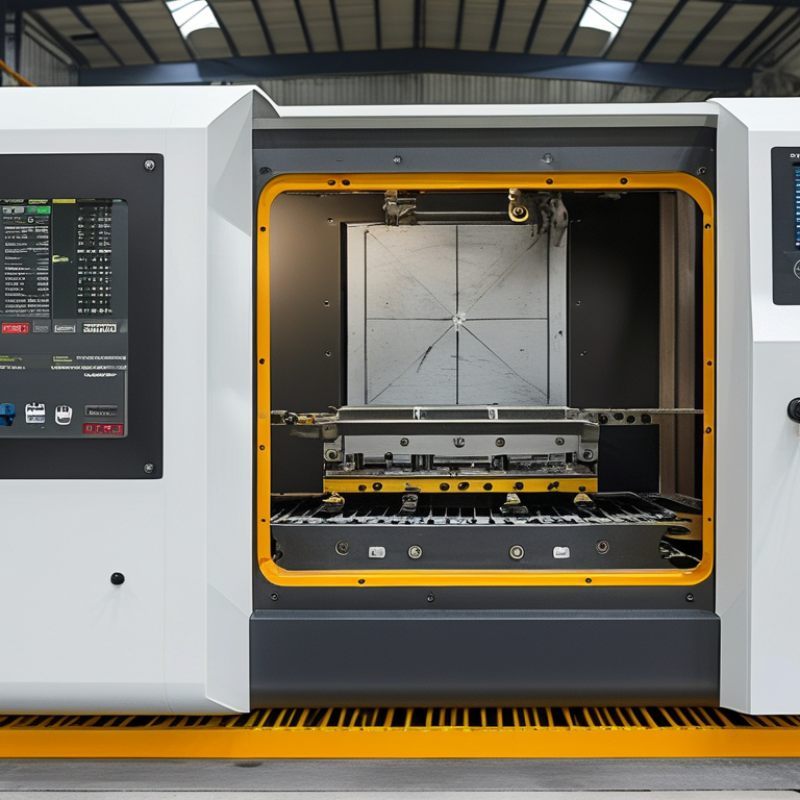
Inspect the equipment details closely. Check the chamber material, sealing design, pump configuration, power supply stability, and control-system accuracy. Uniform coating matters. Request test data from several positions, not only one attractive sample. A reliable machine should maintain consistent color, hardness, adhesion, and thickness during repeated production. Watch the process directly. Small vibrations, unstable arcs, or delayed alarms may reveal larger problems.
Technical support also affects equipment quality. Confirm installation training, spare-parts availability, remote troubleshooting, and response times. Ask how the manufacturer handles failed batches and software updates. No machine is perfect. Even experienced suppliers may underestimate maintenance needs or energy consumption. That weakness deserves an honest discussion. Compare total operating cost, not only the purchase quote. A useful evaluation includes factory audits, trial coating, written specifications, and clear acceptance standards. The best choice is usually the supplier that explains limitations openly and can improve the process with measurable evidence.
What Services Should a Reliable Manufacturer Provide?
Choosing the best PVD machine manufacturer in China should begin with service, not polished factory photos. A reliable supplier asks about substrate size, coating material, cycle time, vacuum targets, and production volume. This conversation reveals practical experience. For a Bopp Film Coating Machine, engineers should discuss web tension, roll width, film thickness, and coating uniformity. They should provide a written technical proposal, utility requirements, layout drawings, and realistic output figures. Vague promises create expensive surprises.
Before purchase, request sample coating trials using your actual film and process settings. A professional team records chamber pressure, deposition speed, power levels, and defect rates. It should explain why each result changes. Factory acceptance testing matters too. Inspect pumps, sensors, control cabinets, safety interlocks, and spare-parts lists before shipment. Training should include operation, cleaning, recipe management, and basic fault diagnosis. Remote support is useful, but responsive on-site service may prevent long production delays.
After installation, dependable manufacturers offer commissioning, operator training, maintenance schedules, and documented troubleshooting. They should stock critical parts and state response times clearly. Ask how software updates, calibration, and warranty claims are handled. No supplier gets every detail right. What matters is honest reporting and corrective action. I would also check references from plants with similar film widths and working hours. A machine can look impressive and still lose stability after several shifts. Careful follow-up exposes that weakness early.
These are practical benchmark targets for evaluating a reliable PVD machine manufacturer. Actual service levels depend on machine configuration, coating requirements, location, and contract terms. Buyers should request documented response procedures, commissioning records, training plans, spare-parts support, and warranty conditions.
China HD800 Hybrid PVD Coating Equipment: Market Insights from Grand View Research & Fortune Business Insights
China’s PVD coating equipment market is gaining attention as tool manufacturers and industrial suppliers seek higher productivity, longer tool life, and more consistent surface performance. Market research indicates that demand is being supported by advanced manufacturing, automotive components, aerospace applications, medical instruments, and the processing of difficult materials. Buyers are increasingly evaluating equipment not only by initial cost, but also by batch capacity, process flexibility, coating uniformity, energy efficiency, and technical support.
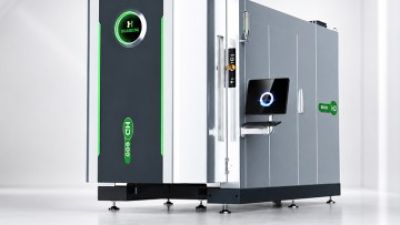
The HD800 hybrid PVD coating system is designed for manufacturers that require both production capability and adaptable process development. It combines arc ion plating, DC magnetron sputtering, and HiPIMS technologies in one platform, enabling users to develop dense coatings with strong adhesion, improved surface quality, and reliable wear resistance. This integrated configuration can support coating solutions for stainless steel, titanium alloy, hardened steel, and high-alloy steel, helping production teams respond to different tool geometries and material requirements.
With a high-capacity chamber and flexible process control, the system is suitable for tool factories and industrial users seeking to improve throughput while maintaining stable coating quality. Its factory-based manufacturing approach also supports customization, equipment commissioning, and ongoing process optimization for China’s competitive industrial environment.
FAQS
Evaluate vacuum stability, film thickness repeatability, chamber welding, pumps, rotation, power control, and cooling. Data beats promises. A polished showroom proves very little.
A pumpdown test shows how quickly the chamber reaches its required vacuum level. It can reveal leaks, weak pumps, or poor sealing. One test is useful, but not perfect.
Yes, request trials using your actual materials and production settings. The supplier should record pressure, deposition speed, power levels, thickness, and defects. Real samples expose practical weaknesses.
Engineers should ask about substrate size, coating material, cycle time, vacuum targets, and production volume. For flexible film, include roll width, web tension, thickness, and uniformity requirements. Missing details create expensive surprises.
Inspect pumps, sensors, control cabinets, safety interlocks, and spare-parts lists. Confirm the agreed output, coating uniformity, energy use, and recovery time. Written standards matter.
Training should cover operation, cleaning, recipe management, and basic fault diagnosis. Operators should practice safe startup and shutdown procedures. Short training is rarely enough.
Support should include commissioning, maintenance schedules, troubleshooting documents, and clear response times. Ask about calibration, software updates, warranty handling, and critical spare parts. Remote help is useful. On-site service may prevent long delays.
Yes, a cheaper machine may consume more energy or suffer longer downtime. Compare batch capacity, maintenance recovery, spare-parts availability, and operating stability. The cheapest quote may not be cheapest overall.
Certification can support process credibility, but it cannot replace technical evidence. Review coating trials, factory records, references, and acceptance results. Certification is not a performance guarantee.
Contact plants using similar materials, working hours, and production widths. Ask about stability after several shifts, maintenance delays, and defect rates. References can still be selective, so compare several sources.
Conclusion
A PVD machine uses vacuum-based physical vapor deposition to place a thin, durable coating on a product surface. Through controlled heating, ionization, and deposition, it can improve wear resistance, hardness, appearance, and corrosion protection. When selecting a PVD machine manufacturer in China, buyers should consider technical experience, equipment design, production capacity, material compatibility, coating uniformity, process stability, energy efficiency, and compliance with applicable safety and environmental requirements. Comparing manufacturers carefully helps ensure that the equipment matches the intended application and production goals.
A reliable supplier should provide clear specifications, quality testing, installation guidance, operator training, process support, spare parts, maintenance, and responsive after-sales service. Evaluating chamber construction, vacuum performance, control systems, automation, coating results, and long-term operating costs is also essential. The best choice is not simply the lowest-priced option, but a manufacturer capable of delivering dependable technology, consistent quality, customization, and continuing technical assistance throughout the equipment’s service life.