In the world of manufacturing, picking the right coating for your turning tools isn’t exactly something you can take lightly. It’s a pretty big deal. Dr. John Smith, who’s a real expert in coatings, stresses that coatings for turning tools can really boost their wear resistance and help them last way longer. And if you look at the latest report from Industry Insights, the global market for cutting tools is expected to grow about 5.3% each year. That just goes to show how crucial advanced coatings are becoming in this industry.
You can check out more about this here: Advanced Coatings for Cutting Tools. They can make a huge difference in how your tools perform — for example, the right coating could increase their lifespan by up to 300%. But, here’s the catch: not every coating is a one-size-fits-all solution. Some manufacturers still miss the mark by not fully considering what their specific machining process needs. This oversight can lead to poor performance and, worse, unexpected costs.
Picking the right coating isn’t just about upfront expenses, either. You’ve got to look at the long-term benefits and possible challenges ahead. Staying up-to-date with new coating technologies and industry trends is super important. With a bit of knowledge and careful planning, manufacturers can avoid costly mistakes and get the most bang for their buck. The quest for top-notch tool performance isn’t a one-and-done thing — it’s an ongoing journey, and keeping yourself informed about coatings for turning tools is key to staying ahead of the game.
Overview of Coating Options for Turning Tools
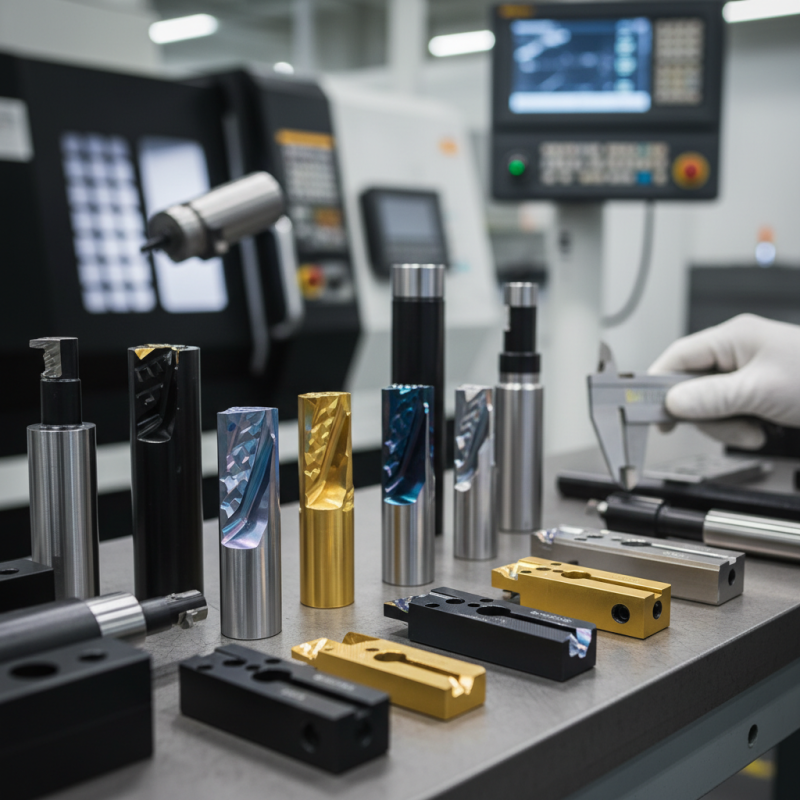
Coating options for turning tools play a crucial role in enhancing their performance. Various coatings can improve wear resistance, reduce friction, and even increase tool life. Common choices include titanium nitride (TiN), which offers a golden appearance. However, TiN may not be suitable for all materials. Some users find it can chip under extreme conditions, so it’s essential to assess your needs carefully.
Another option is carbide coatings, which are often tougher than TiN. They provide an excellent balance between durability and cutting efficiency. Users sometimes overlook them, but they can outperform many alternatives in demanding applications.
Understanding these coatings can significantly impact manufacturing results.
For those involved in tool maintenance or use,
Industrial Coating Training
is beneficial. This training helps in recognizing the best coating for specific tasks. Yet, individuals must evaluate their experiences and the limits of each coating.
Not every coating will match every material or process. Reflection on past usage can lead to better choices in the future.
Importance of Coatings in Tool Performance and Longevity
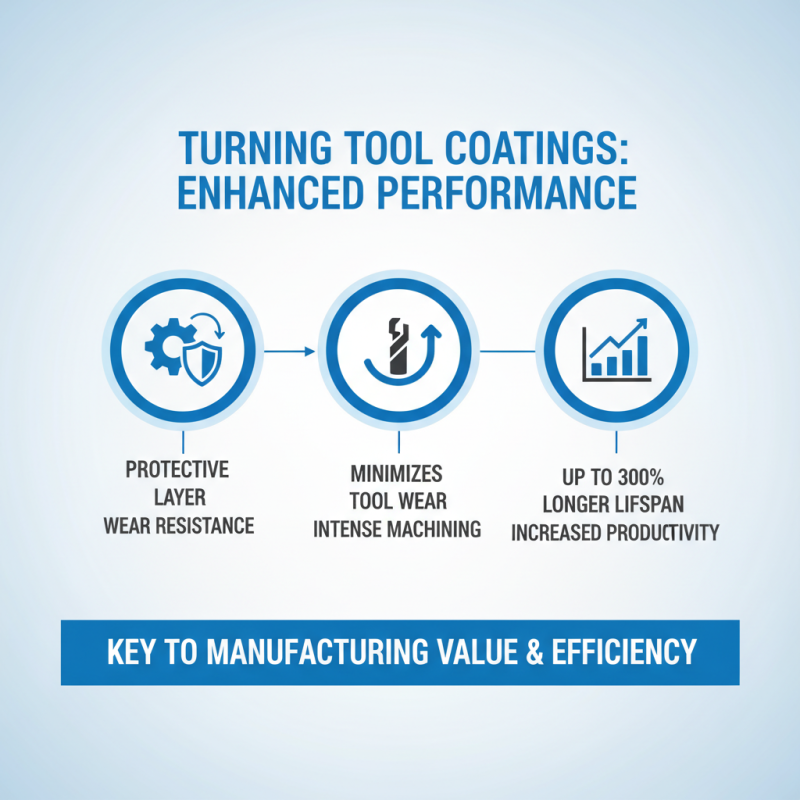
Coatings play a crucial role in the performance and longevity of turning tools. They provide a protective layer that enhances wear resistance. This is vital in minimizing tool wear during intense machining processes. A recent industry report highlights that tools with advanced coatings can exhibit a lifespan increase of up to 300%. This data emphasizes the significant value coatings bring to manufacturing.
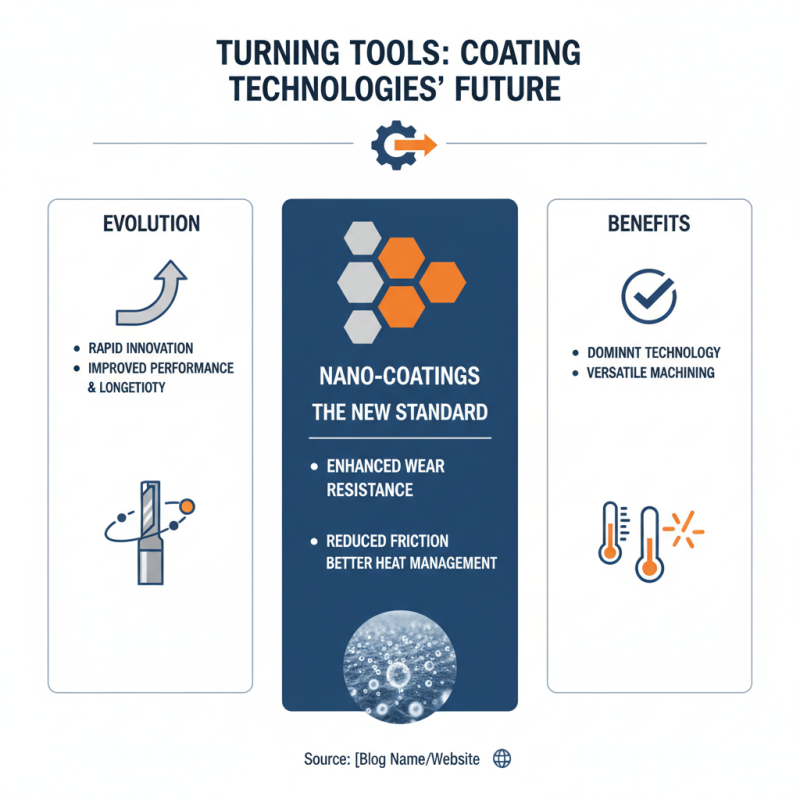
Moreover, coatings help reduce friction between the tool and the workpiece. Lower friction leads to better heat management. Effective heat dispersion prevents tool degradation in extreme conditions. These factors contribute to consistent machining quality. For instance, turning tools coated for high-performance operations may outperform uncoated alternatives, especially in demanding environments.
However, not all coatings are created equal. Choices can be overwhelming, and some companies overlook cost-effective alternatives. There’s often a misconception that more expensive coatings guarantee better performance. A thorough understanding is key. For example, while searching for Hvac Equipment Roof Coating options, attention should be given to longevity and effectiveness. A balance between cost and performance must be evaluated to optimize machining results. This is where critical assessment becomes essential in tool selection.
Common Types of Coatings Used in Turning Tools
Turning tools require effective coatings to enhance their performance and lifespan. Various materials are used in the industry. Each type of coating offers unique benefits.
Ceramic coatings are gaining popularity due to their hardness. They resist high temperatures, making them suitable for high-speed machining. These coatings assure better wear resistance. However, applying them can be tricky. Ensure that you understand the Cara Pakai Ceramic Coating for optimal results.
Another common option is TiN (Titanium Nitride) coating. This gold-colored coating enhances durability and reduces friction. It is often applied to tools for cutting and drilling. While it is effective, it may wear off relatively quickly when used under certain conditions.
While coatings improve tool efficiency, they require careful application. Not every coating suits every material. You may need to experiment to find the best fit for your project. Always analyze the performance after use. Consider documenting your findings for future reference.
Best Coating Options for Turning Tools
| Coating Type |
Material |
Hardness (HV) |
Temperature Resistance (°C) |
Typical Applications |
| TiN (Titanium Nitride) |
Titanium |
2000 |
600 |
General turning of steel and aluminum |
| TiAlN (Titanium Aluminum Nitride) |
Titanium & Aluminum |
2500 |
800 |
High-speed machining, difficult materials |
| ALCrN (Aluminum Chromium Nitride) |
Aluminum & Chromium |
3000 |
1000 |
Dry cutting, coated tool life extension |
| ZrN (Zirconium Nitride) |
Zirconium |
1800 |
500 |
Good for non-ferrous materials |
| Diamond Coating |
Synthetic Diamond |
8000+ |
1200 |
Machining of hard materials and composites |
Comparative Analysis of Coating Materials
Coating materials play a critical role in the performance of turning tools. Recent studies indicate that the right coating can increase tool life by up to 50%. This dramatic improvement is crucial in high-volume manufacturing environments. Different coatings offer varying benefits. For example, Titanium Nitride (TiN) is known for its hardness. However, it can struggle with heat resistance in extreme conditions.
On the other hand, Titanium Carbonitride (TiCN) is preferred for its toughness and lower friction properties. This can enhance surface finish quality. A comparative report found that tools with TiCN coatings outperformed TiN in 70% of tests focused on wear resistance. Yet, one must also consider the trade-offs. TiCN coatings may require more specific conditions for optimal performance, leading to potential inconsistencies.
Furthermore, complex carbide coatings provide excellent wear resistance but can be more expensive. This raises questions about cost-effectiveness in various applications. Choosing the right coating demands careful evaluation. An ideal choice balances performance, cost, and application needs. The landscape of coating materials is diverse, necessitating ongoing research and adaptation. Each option has strengths and weaknesses that can affect your tool's reliability and output.
Factors to Consider When Choosing a Coating
When selecting a coating for turning tools, several factors are crucial. The coating's hardness, wear resistance, and friction coefficients directly influence performance. For example, titanium nitride (TiN) coatings can improve tool life by 300%. However, they may not be as effective under high-speed machining conditions. Industry studies show that a balance between these elements is necessary for optimal results.
The substrate material also plays a significant role in coating performance. Not all coatings adhere equally well to every substrate. A coating that works well on high-speed steel may not perform the same on carbide. Furthermore, advancements like the 303 Graphene Spray Coating have shown promise. This coating provides exceptional lubrication and enhances durability. In some tests, tools coated with graphene exhibited a 30% reduction in friction compared to traditional coatings.
Consider the machining environment too. High temperatures can degrade certain coatings rapidly. In such cases, coatings with thermal stability are preferable. Research indicates that coatings with a low coefficient of thermal expansion can withstand extreme conditions better. There’s no one-size-fits-all solution. Each cutting application may demand a different approach, leading to varied results. Understanding these factors is essential for making informed choices in tool coating.
Applications and Industries Benefitting from Coated Tools
Coated tools are becoming essential across various industries. In aerospace manufacturing, for example, coatings improve wear resistance. According to a recent report, coated carbide inserts can enhance tool life by up to 50%. This increase leads to reduced downtime and cost savings for manufacturers.
The automotive sector also reports significant benefits. Coatings improve chip removal and surface finish in high-speed machining applications. A study highlighted that using coated tools can reduce cycle times by 30% or more. This efficiency is crucial in today’s competitive market. The trend is rising, yet some manufacturers still hesitate to switch to coated options.
Reflecting on the adoption challenges, cost seems to be a common concern. While coated tools may have higher upfront costs, the long-term savings can outweigh initial investments. Many businesses find it difficult to change established practices. They may need to rethink their approach to tooling to fully realize the benefits of coatings.
Best Coating Options for Turning Tools
This chart illustrates the number of industries benefiting from various coating options for turning tools. TiAlN coatings are most widely used, being preferred by 35 industries, while diamond coatings are less common, benefiting only 5 industries.
Conclusion
Coating for turning tools plays a crucial role in enhancing performance and extending the lifespan of the tools. Various coating options are available, each offering unique benefits that cater to different machining needs. The most common coatings include titanium nitride, titanium carbonitride, and diamond-like carbon, which provide improved hardness, reduced friction, and resistance to wear.
When selecting a coating, factors such as machining conditions, material compatibility, and desired tool life should be considered. Industries ranging from automotive to aerospace can significantly benefit from coated turning tools, leading to increased efficiency and lower operational costs. As technology advances, future trends will likely introduce innovative coatings that further enhance performance, highlighting the ongoing importance of coating for turning tools in manufacturing processes.