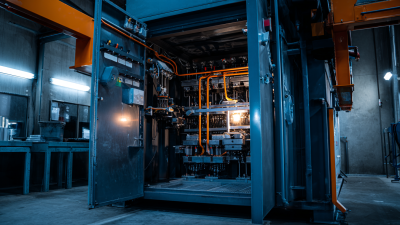
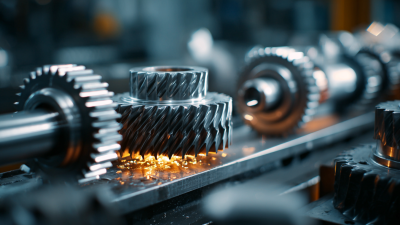
When it comes to taking care of your car, Auto Ceramic Coating has really changed the game. It’s this amazing nanotech solution that helps protect your ride from all those pesky environmental dirt and grime, all while making your car look like it just rolled out of the showroom. Honestly, it’s pretty cool how it not only shields your car but also boosts its shine and keeps that fresh look for much longer.
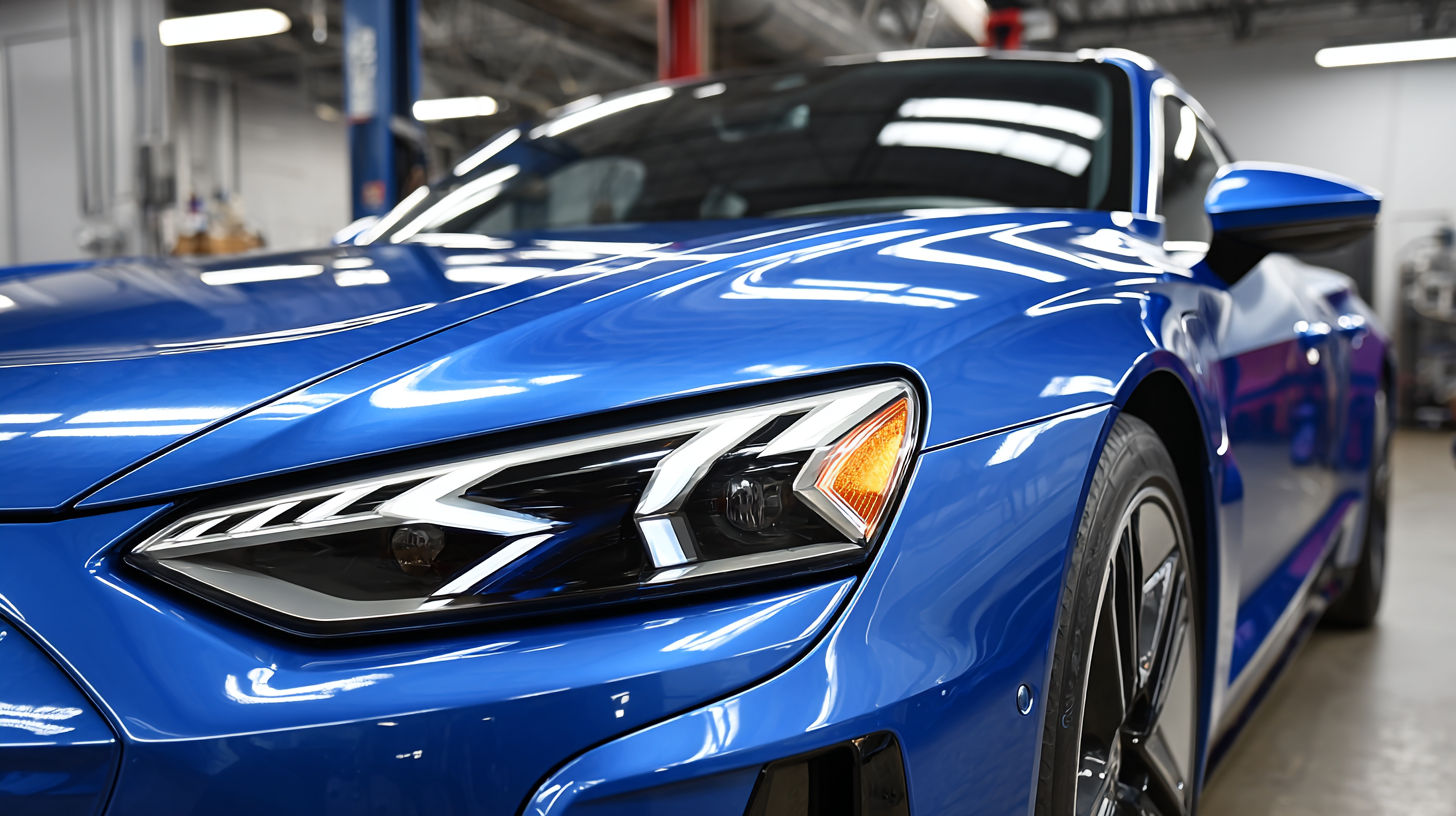 Guangdong HUASHENG Nanotechnology Co., Ltd. is one of the top domestic players in this space, famous for their cutting-edge nanocoatings and vacuum coating equipment. Thanks to Auto Ceramic Coating, you can keep your investment safe from the usual wear and tear, all while giving your car that sleek, head-turning finish. In this guide, I’ll break down the science behind it and share some handy tips for applying it right, so your car stays looking spotless for years to come.
Understanding Auto Ceramic Coating: A Comprehensive Overview
Auto ceramic coating has really revolutionized the car world. It’s like giving your vehicle a super-shield that not only looks great but also protects it in ways traditional waxing just can't match. This stuff is built around some pretty cool nano-coating technology—that’s science talk for a super thin layer that forms a strong, water-repelling barrier on your car’s surface. Because of this, your ride stays shiny longer and gets less scratches, and it’s better at resisting things like rust and sun damage. The magic happens thanks to tiny particles, called nanomaterials, that bond at a molecular level, creating a tough, long-lasting shield. It’s pretty impressive once you get into the science behind it.
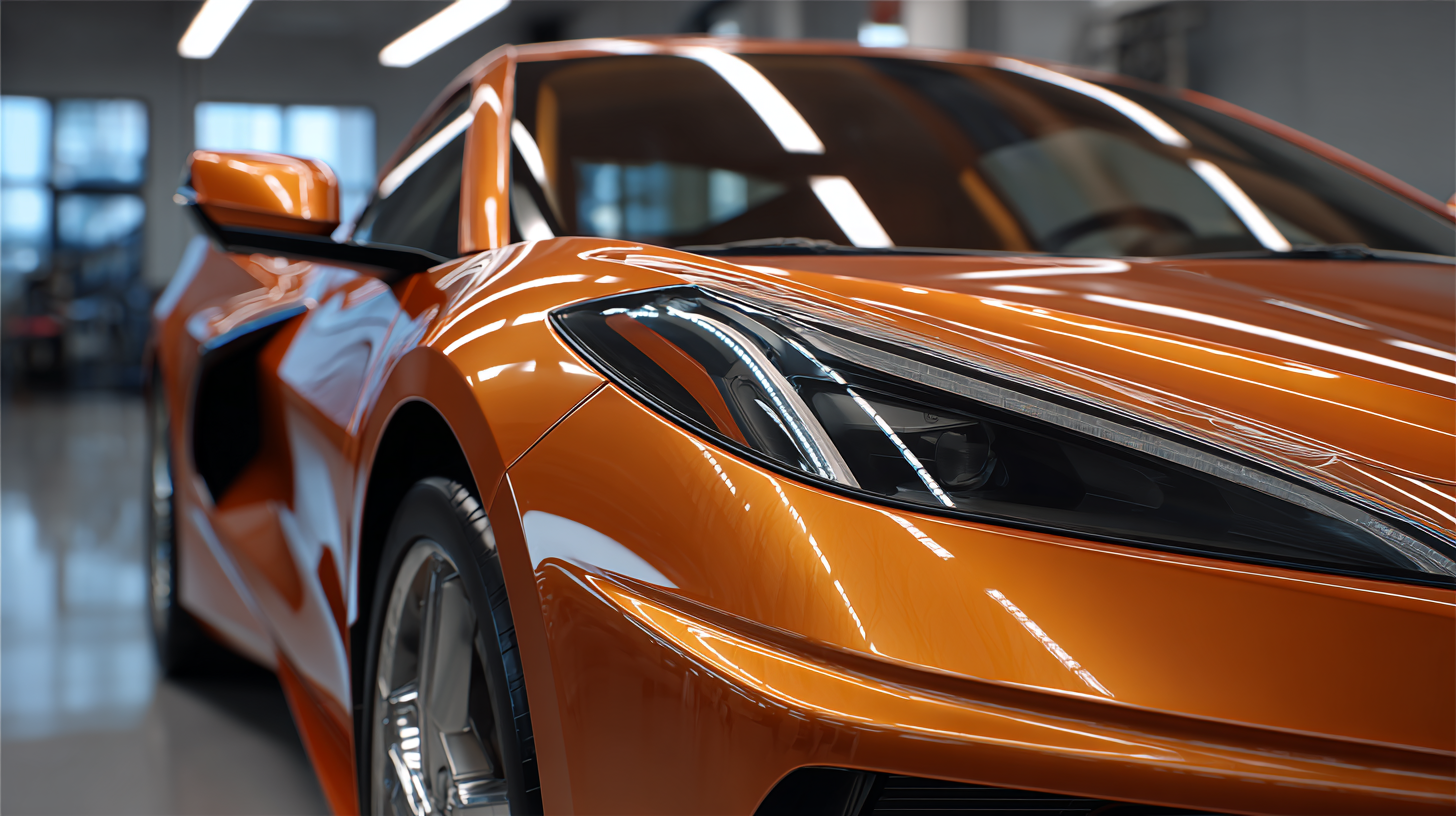
Here at Guangdong HUASHENG Nanotechnology Co., Ltd., we’re pretty much leading the charge in this field. We focus on creating, researching, and building top-of-the-line vacuum coating equipment. Our main goal? To give your car not just a sleek look but also real, lasting protection against everyday wear and tear. We’re all about quality and making sure you get the best. That’s why we offer professional services and support to help you get the most out of our cutting-edge nanotech products. When you choose HUASHENG, you’re basically investing in a smarter way to keep your ride looking good and lasting longer—that’s the future of car care, right there.
The Chemical Composition of Ceramic Coatings and Its Benefits
Lately, ceramic coatings have really been making waves in the automotive world, and for a good reason. People love how they not only make cars look shiny and sleek but also help them last longer. The secret sauce? It’s all in their special chemical makeup. These coatings are usually made from silicon dioxide — kinda like what you find in quartz — and titanium dioxide, which is known for being tough and able to handle heat without breaking a sweat. According to some reports in the industry, like those from the Global Automotive Coating Market, these coatings create a protective shield that can stand up to tough weather, UV rays, and everyday wear and tear. That’s why they’re often preferred over the old-school waxes and sealants.
But honestly, it’s not just about looking good. Ceramic coatings are also built to last. If you get them applied right, they can stay in good shape for anywhere between two to five years — way longer than those quick-fix wax jobs that only last a few months. This longevity is thanks to the strong chemical bonds that form between the coating and your car’s paint. Basically, it turns your car's surface hydrophobic, meaning water, dirt, and gunk just bead up and roll right off. Plus, these coatings help keep your paint looking fresh by stopping oxidation and fading, so your car stays shiny and can even boost its resale value down the line. As folks keep looking for better ways to protect their rides, it’s clear that ceramic coatings are standing out because of how innovative yet practical they are for car care.
Mechanisms of Protection: How Ceramic Coatings Safeguard Vehicles
Lately, ceramic coatings have really gained popularity in the auto world—and for good reason. They do wonders for both how your car looks and how long it stays in good shape. Basically, these coatings form a tough, lasting bond with your vehicle's surface, creating a barrier that’s super resistant to things like dirt, grime, and other environmental yuck. When you get it applied, it’s not just about protection—this stuff also fills in tiny imperfections in the paint, making the surface look smoother and shinier. Plus, it even sort of cleans itself, so your car stays cleaner longer without much effort.
One of the coolest parts? These coatings are highly hydrophobic. That fancy word just means water beads up on the surface and rolls right off, taking dust, mud, and dirt with it. They also shield your paint from the sun’s UV rays, which can cause fading and oxidation over time—pretty important if you want your ride to keep that fresh look. And let’s not forget, they’re chemical-resistant too. Whether it’s bird droppings, tree sap, or road salt, these coatings help protect your car’s exterior from damage caused by all that nastiness. All in all, it’s a pretty smart investment if you want your car to look good and stay protected for longer.
The Impact of Ceramic Coating on Vehicle Longevity and Maintenance
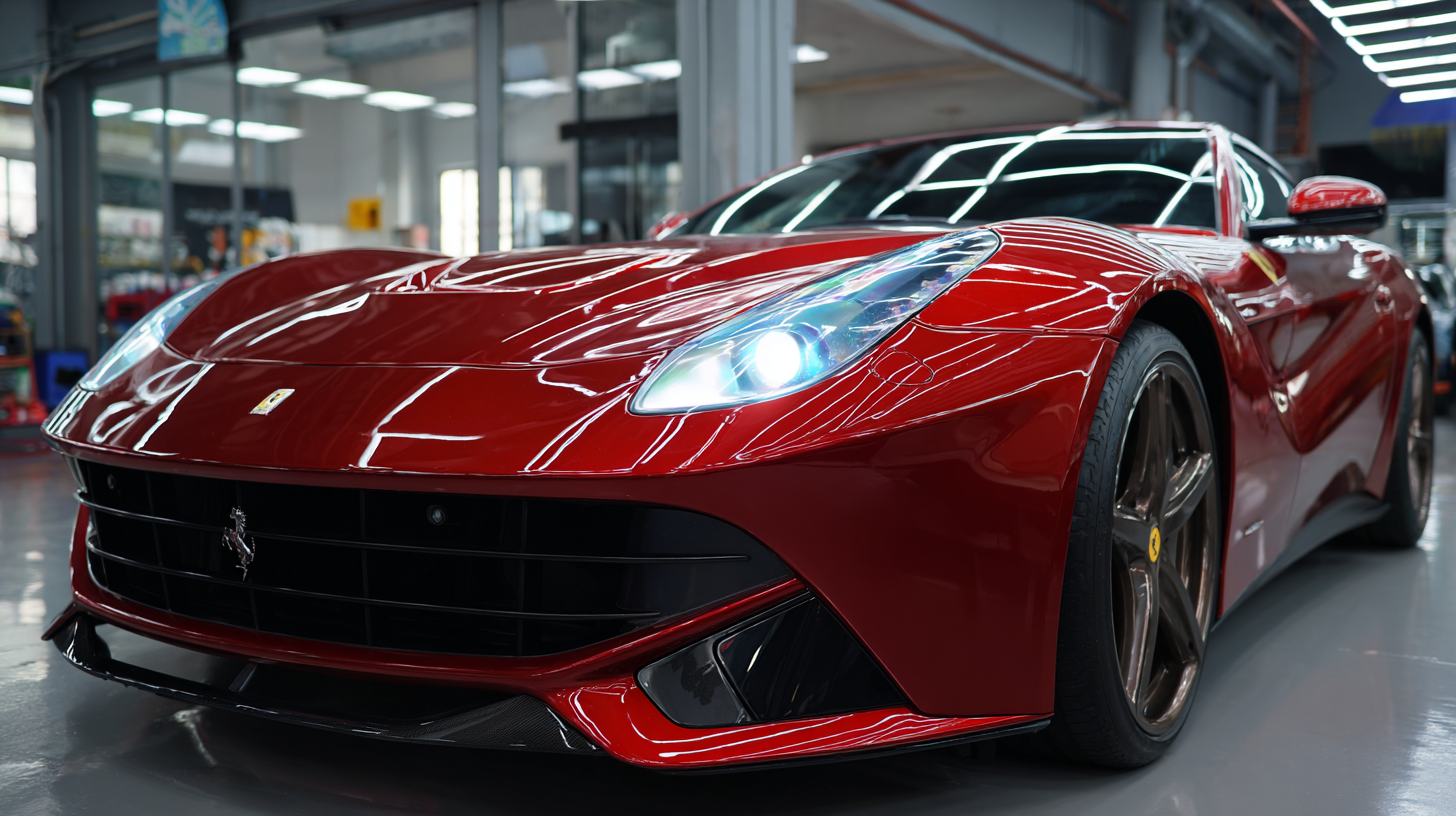
Ceramic coating is really changing the game when it comes to taking care of your car. It’s like giving your vehicle a tough, invisible shield that fights off all sorts of environmental nastiness—think UV rays, bird droppings, and acid rain. What’s cool is how it repels water and dirt, so your car stays cleaner longer and you don’t have to spend as much time washing it or worrying about scratches and swirl marks. Honestly, it helps your car keep that shiny, new look without the constant fuss.
Plus, using ceramic coating can actually make your paint last way longer. Unlike waxes or sealants that tend to wear off pretty quick, these coatings are built to last—sometimes for years, if you take good care of them. That means your car stays looking shiny and fresh, which is definitely a bonus if you’re thinking about resale value later down the line. Overall, investing in ceramic coating isn’t just about making your car look awesome—it also saves you money on maintenance and makes owning a car a lot more enjoyable. No more stressing over every little scratch or stain, you know?
It’s honestly kind of a win-win for car lovers who want to keep their rides looking great without all the hassle.
Comparing Ceramic Coating to Traditional Wax: What’s the Difference?
When you're thinking about protecting your car, it's a pretty common dilemma—do you go with the traditional wax or opt for those newer ceramic coatings? Honestly, traditional wax tends to last only a couple of months, maybe three at most, and that really depends on things like weather, how often you wash your car, and so on. I read a recent study from the International Institute of Cleaner Technologies, and it pointed out that cars treated with regular wax start to look dull pretty quickly—fading paint and losing that nice gloss—after just a few weeks in the sun or exposed to salty conditions. On the flip side, ceramic coatings can give you a really solid layer of protection that sticks around for 2 to 5 years! Basically, it forms a durable bond directly with your car’s paint, creating a kind of shield.
Now, get this: ceramic coatings use some fancy nanotechnology to create this protective barrier. Not only does it last a long time, but it also keeps your car shiny and looking sharp. The Coating Industries Association mentions that these coatings can reach a hardness of 9H, which means they’re way more scratch-resistant and better at standing up to the elements compared to your usual wax. Plus, because ceramic coatings are super hydrophobic, dirt and grime tend to slide right off, making your car easier to clean and helping it stay shiny without constant detailing.
A couple of tips if you’re thinking about giving this a shot: first off, make sure the car’s surface is spotless and properly cleaned before applying the coating—that’s key for it to bond well. If you prefer wax, reapplying every month or so can help keep that protective layer fresh. And no matter what you choose, regular washing with gentle products and proper care will really help extend its life and keep your ride looking great.
Real-World Results: Testimonials and Case Studies on Coating Efficacy
You know, there's quite a bit of talk and many success stories about how effective
auto ceramic coatings really are.
People often share how their cars stay looking great and last longer when they get one.
For example, back in 2021, a survey by the International Ceramic Coating Association
found that about 98% of car owners
who tried out ceramic coatings noticed better paint protection and a shinier finish. A lot
of folks even said their cars looked like they just drove off the showroom floor—and that
it lasted up to five years!
That’s pretty impressive, especially when you think about how traditional waxes usually
need to be reapplied pretty often.
There are also some real-world case studies that really drive this home. One from the
Automotive Protection Institute
pointed out that cars with ceramic coatings had about
30% lower maintenance costs over
three years. Plus, they managed to hold onto roughly
15% more of their value compared
to cars without the coating. All this goes to show, investing in a ceramic coating isn’t
just about making your car look good — it also keeps things practical and saves you
money in the long run. Honestly, it’s a
win-win when you consider the
looks, protection, and even the value retention.
FAQS
: Auto ceramic coating is an advanced nano-coating technology that provides protection and aesthetic enhancement for vehicles by forming a hydrophobic barrier that repels water, dirt, and contaminants.
Ceramic coatings offer long-lasting protection of 2 to 5 years compared to traditional wax, which typically lasts only 1 to 3 months. Ceramic coatings bond at a molecular level and are more resistant to scratches and environmental factors.
Ceramic coatings are primarily made from silicon dioxide (SiO2), derived from quartz, and titanium dioxide (TiO2), known for its durability and heat resistance.
The benefits include enhanced longevity (lasting 2 to 5 years), superior resistance to scratches and UV damage, preservation of the vehicle's paint integrity, and improved aesthetic appeal, maintaining a glossy finish.
By preventing oxidation and fading, ceramic coatings help maintain the vehicle’s shine and overall appearance, which can enhance its resale value.
Regular maintenance involves gentle washing and using proper detailing products. It’s important to ensure the vehicle's surface is clean and decontaminated before applying the coating for optimal bonding.
Yes, ceramic coatings are designed to withstand harsh environmental conditions and UV exposure, making them a preferred choice for vehicle protection.
The vehicle's surface must be meticulously cleaned and decontaminated before applying the ceramic coating to ensure proper bonding and maximize its effectiveness.
When using traditional waxes, it’s advisable to reapply every month and to monitor the vehicle for signs of wear, such as fading and diminished gloss after exposure to the elements.
Ceramic coatings can provide up to 9H hardness, making them significantly more resistant to scratches and environmental factors compared to traditional waxes.
Conclusion
Auto Ceramic Coating is really a game-changer when it comes to keeping your vehicle looking sharp and lasting longer. If you’re not familiar, it’s this innovative coating that adds a protective layer to your car’s surface. Honestly, it’s pretty impressive — it’s durable, guards against the elements, and helps your ride stay shiny and new for ages. In this overview, I’ll explain what these coatings are made of and why they’re such a big deal. Essentially, they create a strong barrier against things like UV rays, dirt, and other environmental threats, so your car stays in top shape over time.
Oh, and if you’ve ever wondered how they stack up against good old wax, I’ll break that down too. Spoiler—ceramic coatings last way longer and don’t require as much maintenance, which is a total win. Plus, I’ve included some real-life stories and case studies showing just how effective these coatings really are — you’ll see how they can totally change how you care for your vehicle.
On top of that, companies like Guangdong HUASHENG Nanotechnology Co., Ltd. are really pushing the boundaries here, offering high-tech nanocoating solutions that are helping the auto industry level up. So, whether you’re a car enthusiast or just someone looking to protect your investment, this technology definitely has a lot to offer.